The conflict between Israel and Hamas is one of the most complex, emotional, and enduring conflicts in modern history. News headlines often focus on airstrikes, rockets, and rising casualty numbers, but those snapshots barely scratch the surface of a far deeper story.
At its core, this conflict is shaped by decades of political struggle, territorial disputes, national identity, religion, regional power rivalries, and repeated failures of diplomacy. Israel Hamas conflict explained in simple terms reflects a long-running struggle shaped by security concerns, political disputes, and regional dynamics. Understanding what’s really happening requires moving beyond slogans and examining the historical roots, the motivations of each side, and the wider regional consequences.
This article breaks down why the conflict keeps escalating, what triggers each cycle of violence, how civilians are affected, and why the world continues to watch closely.
🧠 A Quick Background of the Conflict

The roots of the Israel–Hamas conflict lie within the broader Israel–Palestine dispute, which began in the mid-20th century following the creation of Israel in 1948. Competing claims over land, sovereignty, and national identity led to wars, displacement, and decades of unresolved grievances.
Key developments that shaped today’s conflict include:
- The establishment of Israel and subsequent Arab-Israeli wars
- The occupation of territories captured in 1967
- The rise of Palestinian political movements
- The emergence of Hamas as a dominant force in Gaza
In 2007, Hamas took control of the Gaza Strip after winning Palestinian elections and later defeating rival factions. In response, Israel — along with Egypt — imposed a blockade on Gaza, citing security concerns related to weapons smuggling and attacks.
Since then, multiple wars, escalations, and ceasefires have occurred, but a lasting political solution has remained elusive.
❓ Why the Israel Hamas Conflict Explained Continues
The conflict persists because of several overlapping and deeply entrenched factors.
1️⃣ Control of Gaza
Hamas governs Gaza internally, while Israel controls most of Gaza’s borders, airspace, and maritime access. This creates a constant source of tension. International organizations continue to monitor humanitarian and security conditions in Gaza.
- Hamas seeks autonomy and influence
- Israel seeks to prevent attacks and limit Hamas’s military capability
The result is a fragile and volatile status quo that frequently breaks down.
2️⃣ Security vs Resistance Narratives
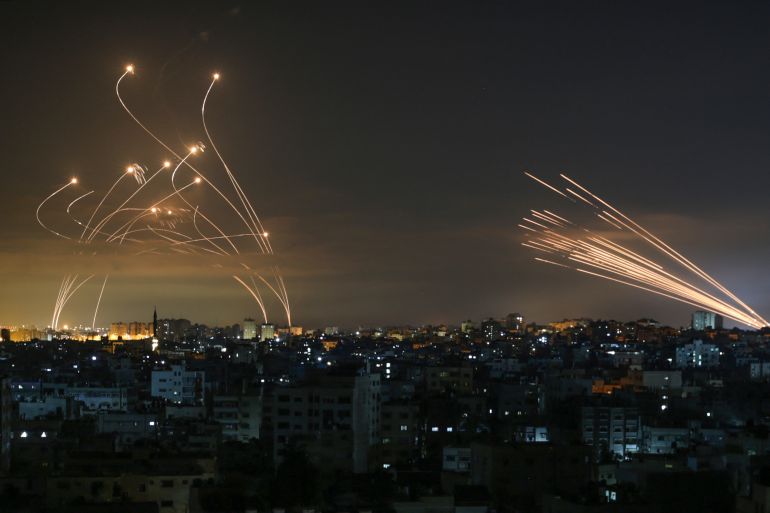
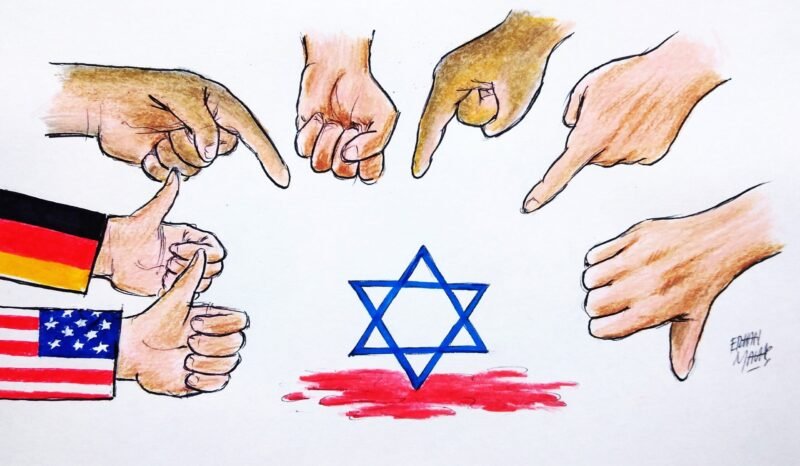
Israel states that its military actions are defensive, aimed at stopping rocket attacks and protecting civilians. Hamas, on the other hand, presents itself as a resistance movement, claiming to fight occupation and blockade.
These opposing narratives are central to why compromise is so difficult — each side sees its actions as justified and necessary for survival.
3️⃣ Religion, Identity, and Symbolism
Religious and cultural identity plays a powerful role in fueling tensions. Holy sites in Jerusalem, sacred to Jews, Muslims, and Christians, often become flashpoints during periods of unrest.
Clashes over access, sovereignty, and symbolism in these areas can quickly escalate into wider violence, even when the initial trigger appears localized.
🔥 What Triggers the Latest Escalations?
While each round of fighting has unique circumstances, escalations often follow a familiar pattern:
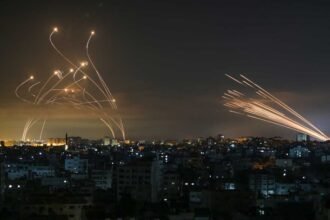
- Rocket attacks launched from Gaza
- Israeli airstrikes in response
- Civilian casualties and infrastructure damage
- Regional reactions and diplomatic pressure
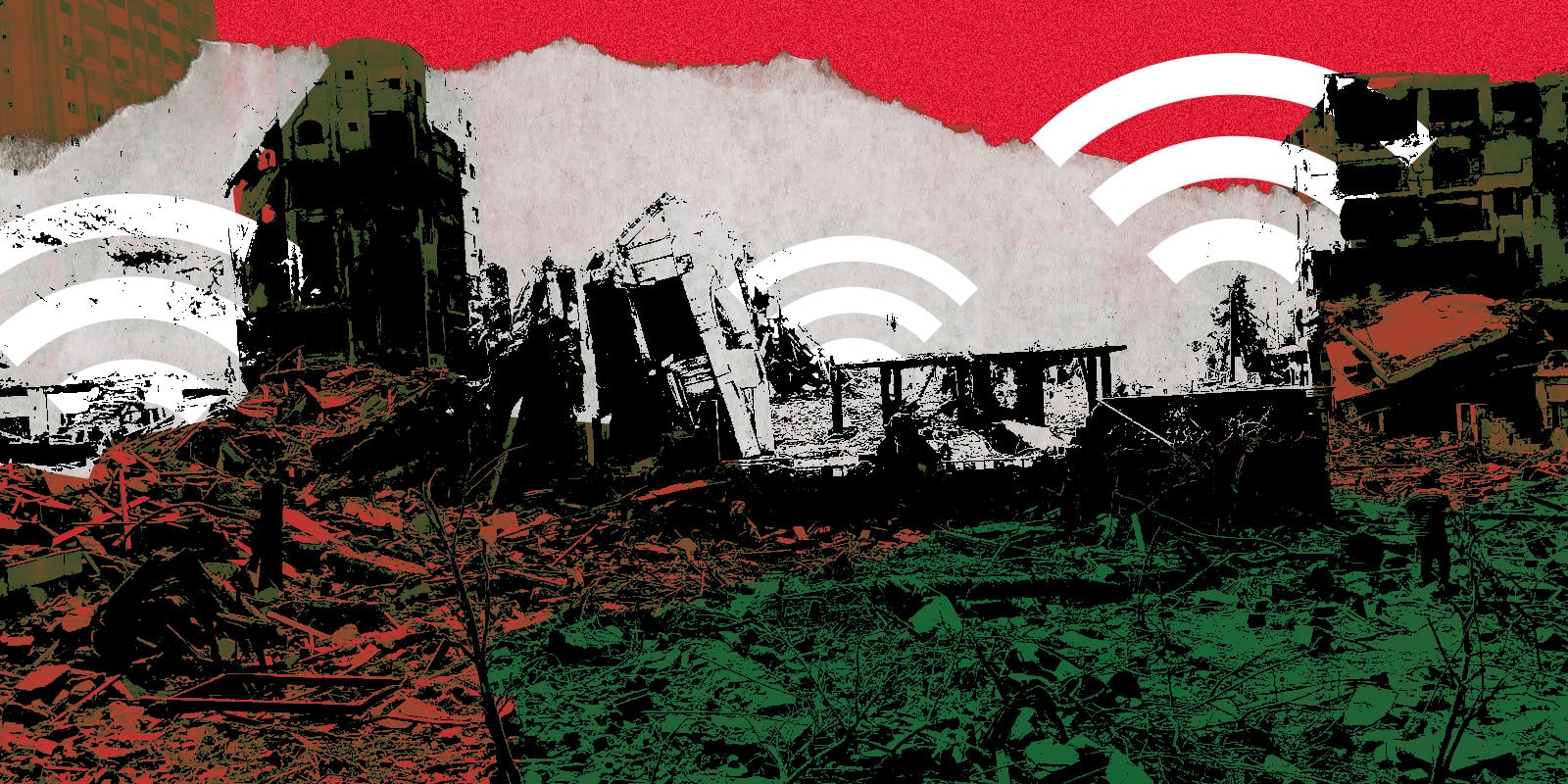
Social media, misinformation, and emotionally charged imagery can rapidly intensify global reactions, sometimes making de-escalation harder for political leaders under domestic pressure.
👥 Impact on Civilians: The Real Cost


The human cost of the Israel–Hamas conflict is immense and ongoing.
Civilians on both sides experience:
- Displacement from homes
- Damage to hospitals, schools, and utilities
- Shortages of food, fuel, and medical supplies
- Long-term psychological trauma, particularly among children
In Gaza, the humanitarian situation is especially severe due to population density and limited resources. In Israel, civilians regularly face rocket sirens, disruptions, and security fears. This shared suffering is one reason the conflict draws such intense international attention.
🌍 Why the World Is Watching Closely
The Israel–Hamas conflict is not just a local or regional issue — it has global implications.

It affects:
- Stability across the Middle East
- Relations involving the United States, Iran, and Arab nations
- Global energy markets and oil prices
- The risk of a wider regional war involving groups like Hezbollah
Any major miscalculation could rapidly expand the conflict beyond Gaza and Israel.
🕊️ Is There Any Hope for Peace?
Efforts toward peace have been attempted repeatedly over the years:
- Ceasefires brokered by the United Nations
- Diplomatic mediation led by the United States and regional actors
- Temporary agreements to reduce violence
However, peace initiatives often collapse due to:
- Deep mutual distrust
- Internal political pressures on leaders
- Continued violence and retaliation
- Lack of a unified Palestinian political front
While peace is not impossible, it remains fragile and difficult to sustain without major political changes.
🧠 Final Thoughts
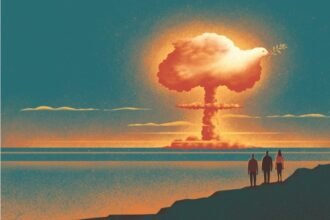
The Israel vs Hamas conflict is not a simple battle of good versus evil. It is a tragic cycle of violence shaped by history, fear, political failures, and unresolved questions of sovereignty and security.
Understanding the deeper causes — rather than relying on headlines alone — is essential for informed discussion. Only through awareness, balanced analysis, and sustained diplomatic effort can there be hope for a future that prioritizes stability, dignity, and peace for civilians on all sides.