Military readiness in 2026 is becoming a defining issue as global power centers shift their focus from diplomacy toward defense and security. Nations that once focused primarily on economic growth and diplomacy are now investing heavily in military preparedness. Defense budgets are rising, joint military exercises are increasing, and leaders are openly discussing national security risks in ways not seen for decades.
This growing military readiness is not the start of a global war, but it is a clear signal that world leaders believe the international system is entering a more unstable and unpredictable phase.
So why exactly is this happening now? And what does it mean for the world?
A World Entering an Era of Strategic Uncertainty
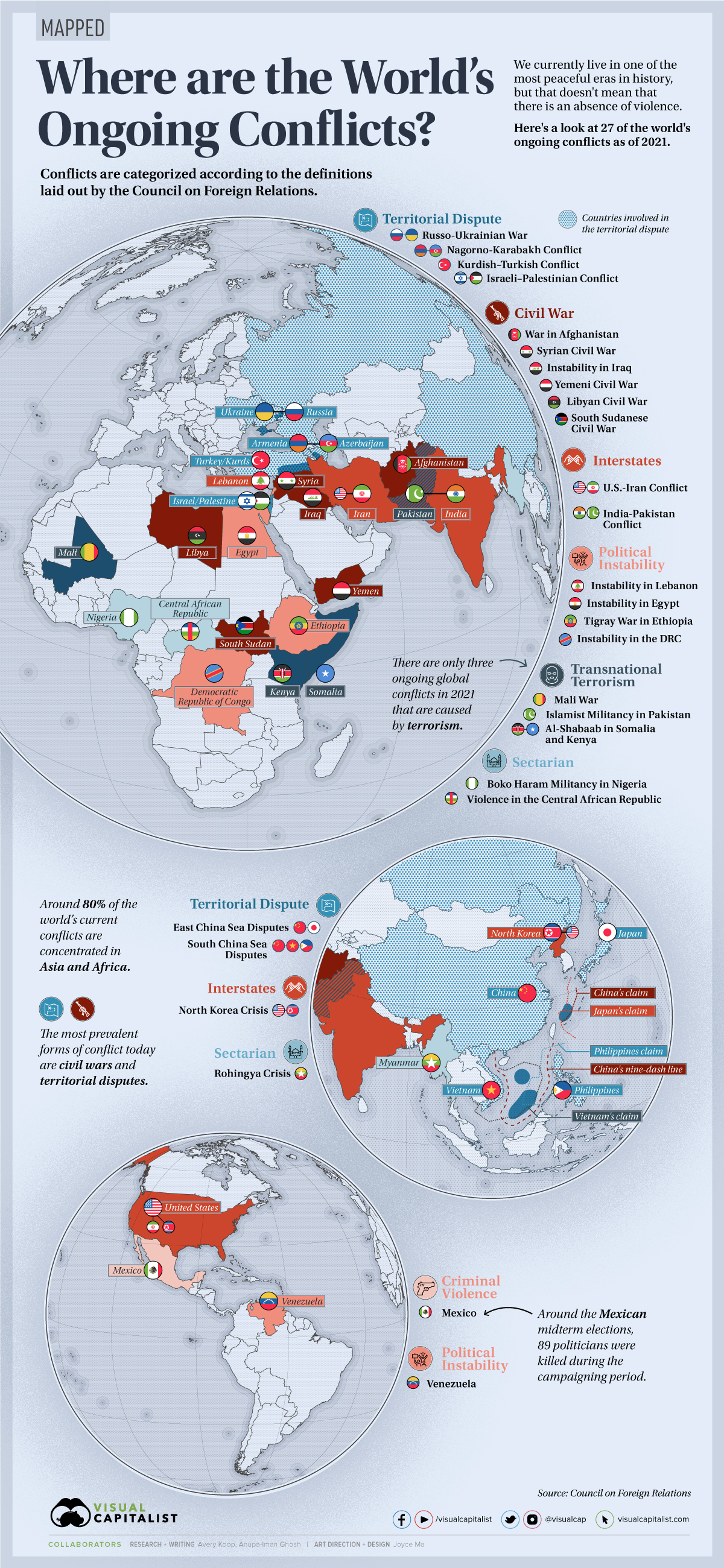
The post-Cold War period was defined by relative stability, globalization, and economic cooperation. That era is fading. In its place, a multipolar world is emerging — one where power is distributed among several major players rather than dominated by a single superpower.
This transition brings uncertainty.
- Long-standing alliances are being tested
- Regional conflicts are becoming interconnected
- Diplomatic solutions are slower and more fragile
World leaders are responding by ensuring their nations are prepared for worst-case scenarios, even if they hope never to face them.
Rising Global Conflicts and Flashpoints
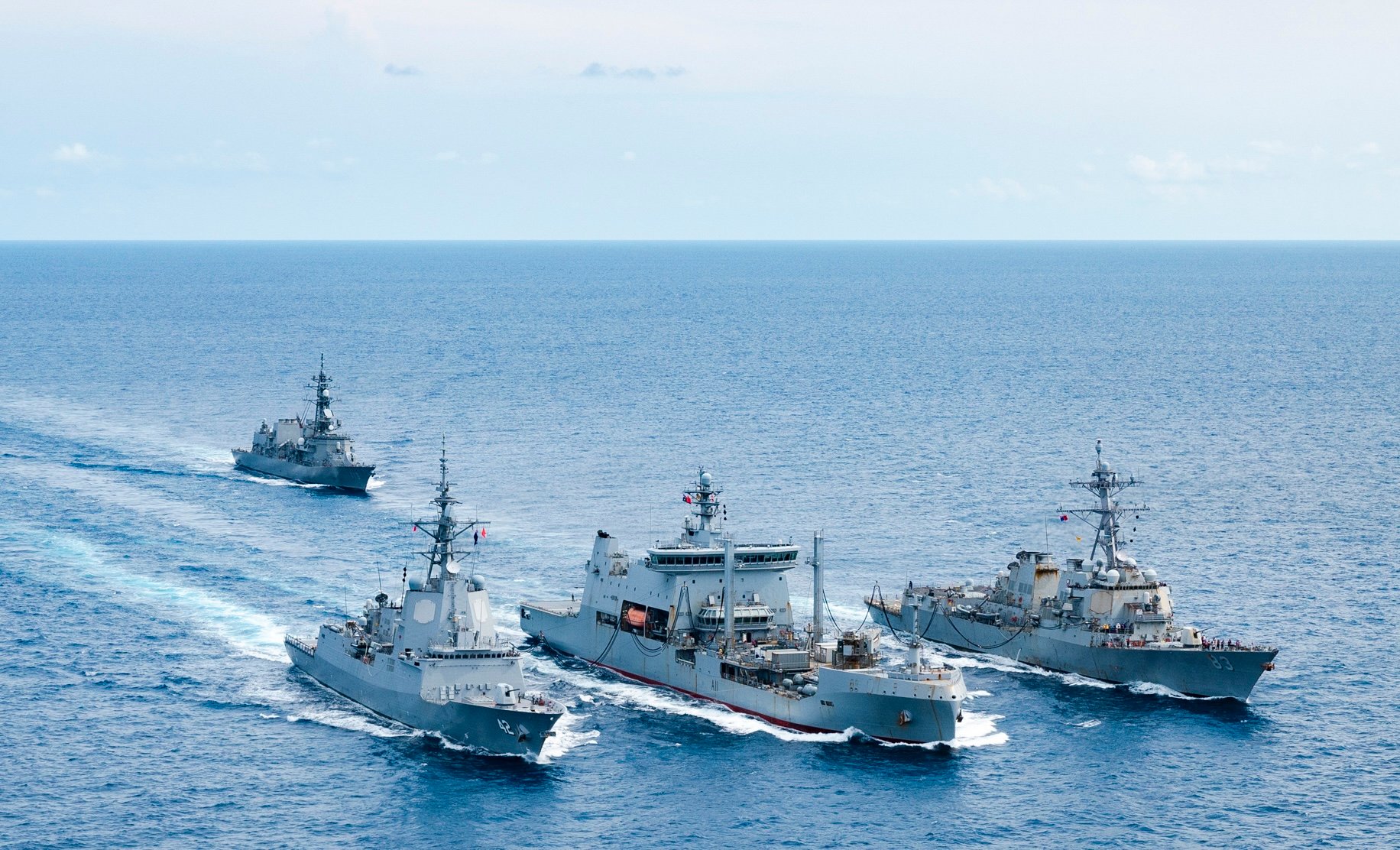
Several ongoing and unresolved conflicts are shaping global defense strategies in 2026:
- Eastern Europe remains tense due to prolonged military standoffs
- The Middle East faces recurring escalations involving state and non-state actors
- East Asia continues to experience naval and airspace confrontations
- Border disputes in multiple regions risk sudden escalation
Even conflicts thousands of kilometers away can disrupt global trade, energy supply, and financial markets. This interconnected risk forces leaders to think defensively.
Military Modernization: Technology Is the New Battlefield
Modern warfare is no longer defined only by soldiers and tanks. The battlefield of 2026 includes:
- Artificial intelligence for surveillance and decision-making
- Hypersonic missiles capable of bypassing traditional defenses
- Cyber warfare targeting power grids, banks, and communication systems
- Autonomous drones used for reconnaissance and precision strikes
World leaders are increasing readiness not just by adding troops, but by upgrading technology to avoid falling behind rivals.
In today’s security environment, being technologically inferior can be as dangerous as being militarily weak.
Defense Spending Is Rising Worldwide
Across continents, defense budgets are climbing:
- Governments are allocating more funds to weapons development
- Training exercises are becoming more frequent and complex
- Military infrastructure is being upgraded
This does not automatically mean war is coming. Instead, it reflects a principle long understood by strategists:
Prepared nations are less likely to be attacked.
Military readiness acts as deterrence.
Strategic Alliances Are Being Reinforced

Another major trend in 2026 is the strengthening of alliances.
Countries are:
- Conducting joint drills
- Sharing intelligence
- Coordinating defense strategies
This collective readiness sends a powerful message: any aggression will face unified resistance. For many leaders, alliances are not just political tools but survival mechanisms in an unstable world.
Lessons From History Still Matter
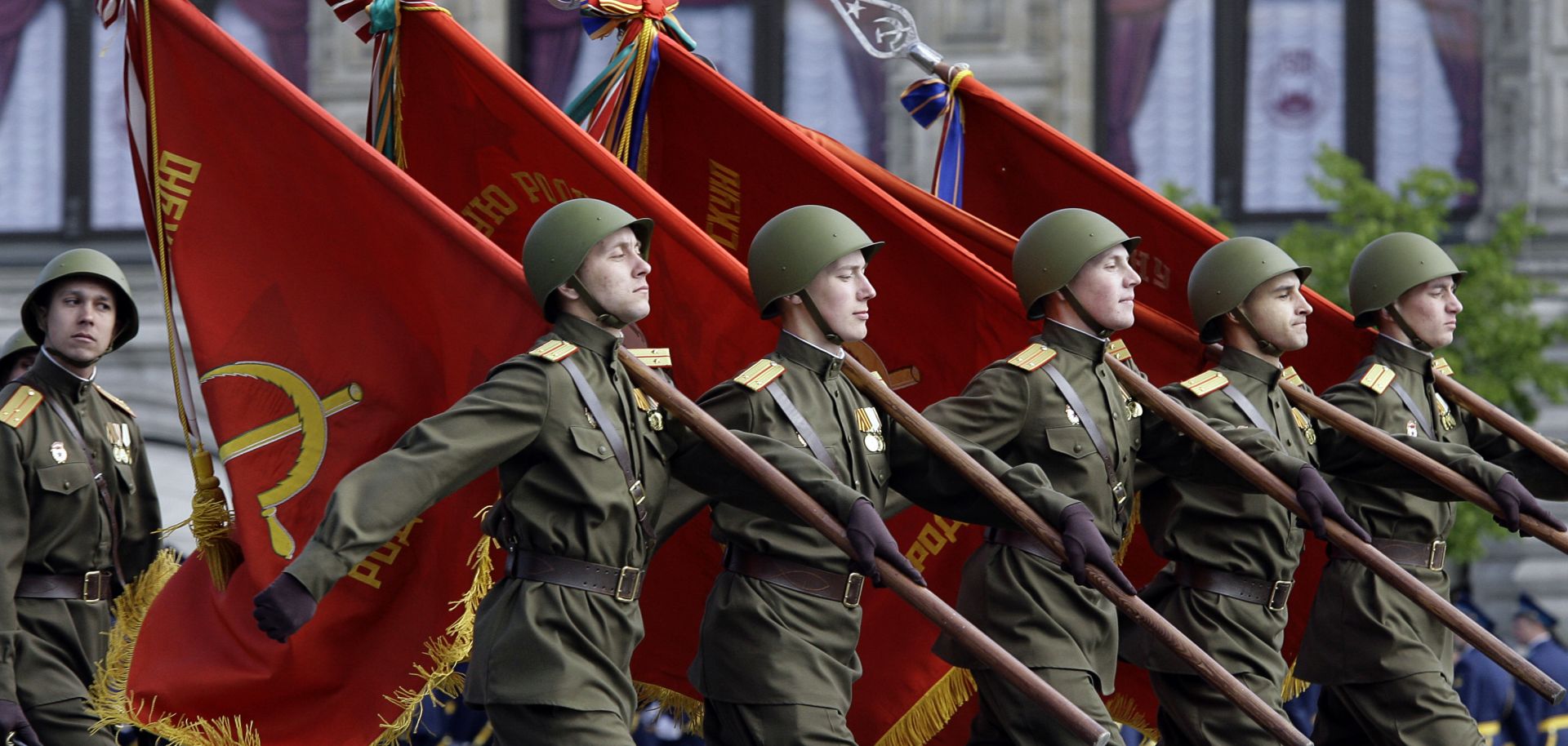
History has repeatedly shown that global crises often emerge when warning signs are ignored.
- Unprepared nations suffer greater losses
- Weak deterrence invites aggression
- Strong defense encourages negotiation
World leaders in 2026 are deeply aware of these lessons. Increased readiness is, in many ways, an attempt to prevent history from repeating itself.
Is the World Heading Toward War?
This is the question many people are asking — and the honest answer is no one knows.
However, increasing military readiness does not automatically mean war is inevitable. In fact, it often means the opposite.
According to recent assessments published by NATO, many countries are reassessing their defense strategies in response to rising global uncertainty.
When nations are strong, prepared, and aware of consequences:
- Conflicts are more likely to remain limited
- Diplomacy gains leverage
- Large-scale wars become less attractive
Preparedness buys time — and time allows diplomacy to work.
What This Means for Ordinary People

Even without direct conflict, heightened military readiness affects daily life:
- Energy prices fluctuate
- Defense industries grow
- Governments emphasize national resilience
- Media coverage of global security increases
Understanding why leaders act this way helps reduce fear and misinformation.
Final Thoughts: Preparedness in an Uncertain World
The increase in military readiness in 2026 reflects a world that is cautious, not reckless.
World leaders are responding to:
- Geopolitical uncertainty
- Rapid technological change
- Historical lessons
- The desire to prevent, not provoke, conflict
For readers of worldwar.live, staying informed is crucial. Knowledge is the strongest defense against panic, propaganda, and fear.
As history unfolds, one truth remains constant:
A prepared world has a better chance of staying at peace than an unprepared one.