Introduction: A Silent Crisis With Global Consequences
In early 2026, global attention remains largely fixed on wars, elections, and economic slowdowns. Yet beneath the surface of daily headlines, a quieter but potentially more disruptive crisis is unfolding — one that affects nearly every country, consumer, and business on the planet.
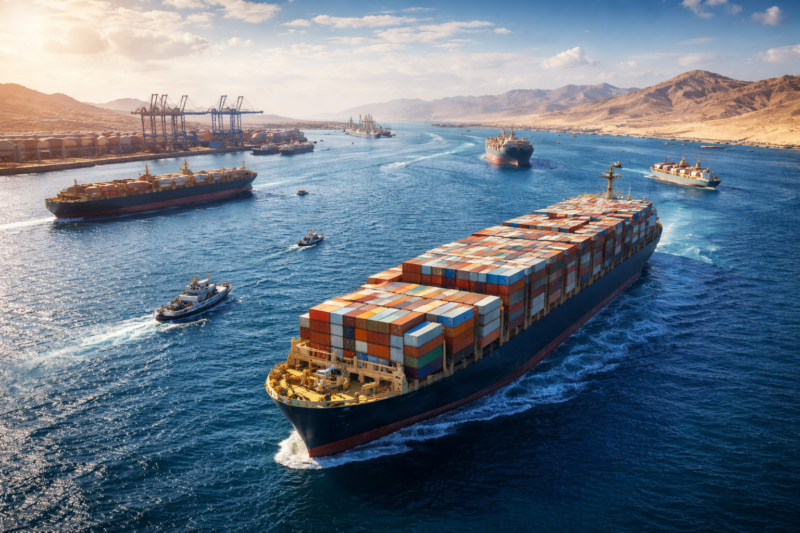
The Red Sea shipping corridor, one of the most critical arteries of global trade, is under unprecedented strain. Rising geopolitical tensions, security risks, rerouted vessels, and surging insurance costs are threatening to disrupt supply chains that the world has only recently stabilized after the COVID-19 pandemic.
Red Sea shipping crisis explained in simple terms reflects rising security threats and trade disruptions along one of the world’s most critical sea routes. This is not a story of immediate collapse or dramatic shutdowns. Instead, it is about systemic risk — slow-moving, compounding, and capable of reshaping global trade patterns if left unresolved.
This article explains:
- Why the Red Sea matters so much to global trade
- What exactly is causing the shipping crisis in 2026
- How it impacts oil prices, consumer goods, and inflation
- Which regions are most affected
- What realistic scenarios lie ahead
No hype. No speculation. Just facts, context, and careful analysis.
Why the Red Sea Is One of the World’s Most Important Trade Routes

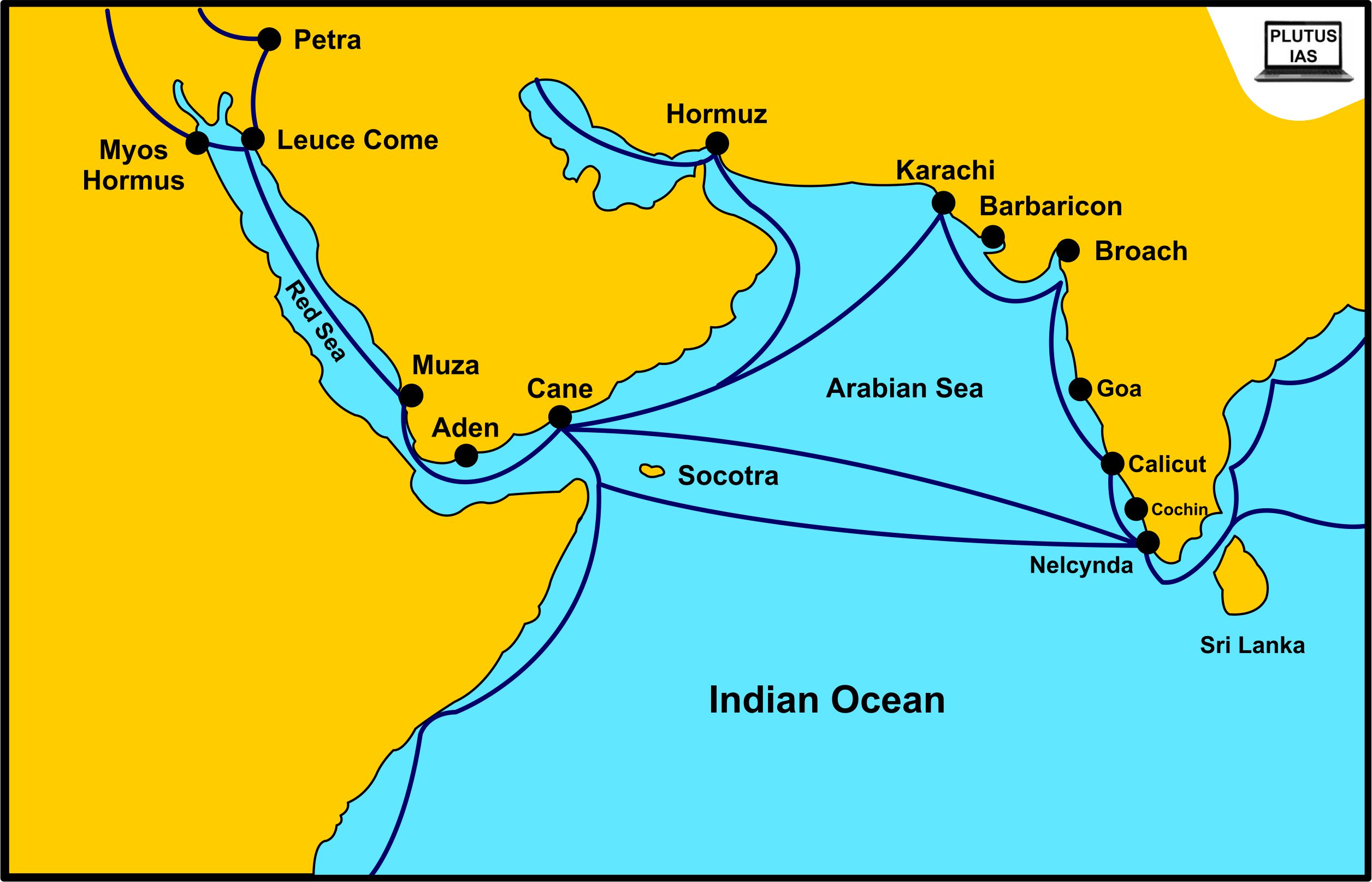
The Red Sea is not just a body of water — it is a strategic economic corridor linking Asia, Europe, Africa, and the Middle East. Global shipping routes and maritime security risks are closely monitored by international trade organizations.
Key Facts:
- Around 12–15% of global trade passes through the Red Sea
- Nearly 30% of global container traffic uses this route
- About 8–10% of global oil and LNG shipments transit the region
At the northern end of the Red Sea lies the Suez Canal, a 193-kilometer waterway that connects the Red Sea to the Mediterranean Sea. This canal allows ships traveling between Asia and Europe to avoid the much longer route around Africa’s Cape of Good Hope.
At the southern end sits the Bab el-Mandeb Strait, a narrow chokepoint through which nearly all Red Sea traffic must pass. Any disruption here immediately ripples across global shipping networks.
What Is the Red Sea Shipping Crisis?
The Red Sea shipping crisis is not a single event. It is a convergence of risks that together make the route more dangerous, expensive, and unpredictable in 2026.
The crisis includes:
- Heightened regional geopolitical tensions
- Increased security threats to commercial vessels
- Rising insurance premiums
- Rerouting of major shipping lines
- Longer delivery times and higher freight costs
Crucially, even limited disruptions in such a vital corridor can have outsized global effects.
Geopolitical Tensions and Regional Instability

The Red Sea sits at the intersection of some of the world’s most volatile regions.
Countries bordering or influencing the area include:
- Yemen
- Saudi Arabia
- Egypt
- Eritrea
- Sudan
- Djibouti
Ongoing instability in parts of the Middle East and Horn of Africa has increased risks to maritime traffic. Commercial vessels must now navigate:
- Armed conflict spillover risks
- Military patrol zones
- Heightened naval presence from multiple global powers
While major navies aim to protect shipping lanes, the density of military activity itself raises uncertainty. Shipping companies operate on predictability — and unpredictability is expensive.
Why Shipping Companies Are Rerouting Vessels

In response to rising risks, many shipping companies have begun rerouting vessels around Africa, bypassing the Red Sea entirely.
What does this mean?
- An additional 10–14 days per voyage
- Higher fuel consumption
- Increased crew costs
- Delays in global supply chains
This decision is not taken lightly. Rerouting dramatically increases operating costs, but for many carriers, it is preferable to:
- Paying extreme insurance premiums
- Facing potential cargo loss
- Risking crew safety
These costs eventually flow downstream — to manufacturers, retailers, and consumers.
The Impact on Global Trade and Supply Chains


The Red Sea crisis affects trade in three major ways:
1. Higher Shipping Costs
Freight rates on Asia–Europe routes have risen sharply due to:
- Longer routes
- Increased insurance
- Limited vessel availability
2. Delayed Deliveries
Industries dependent on just-in-time logistics are particularly vulnerable:
- Electronics
- Automotive manufacturing
- Consumer goods
3. Inventory Pressures
Retailers are forced to:
- Increase buffer inventories
- Absorb higher costs
- Pass some costs to consumers
This reintroduces supply-chain stress at a time when many economies are still battling inflation.
Oil, Energy, and Commodity Market Effects
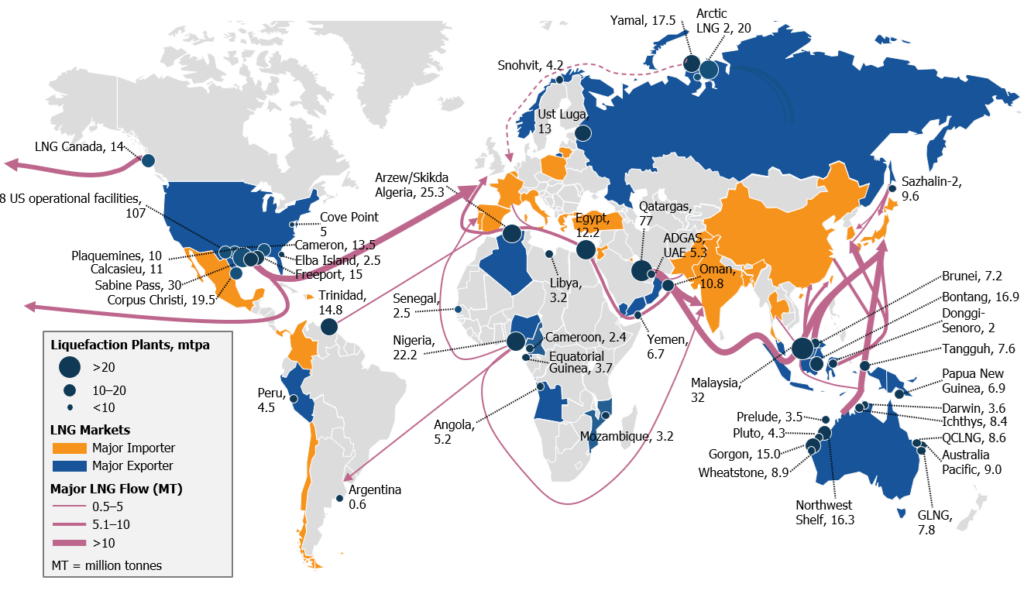
Energy markets are particularly sensitive to Red Sea disruptions.
Why?
- A significant share of Middle Eastern oil exports use this corridor
- LNG shipments to Europe rely on predictable transit times
Even without actual supply shortages:
- Perceived risk drives price volatility
- Insurance costs increase per-barrel pricing
- Futures markets react to uncertainty
This contributes to:
- Fuel price instability
- Transportation cost inflation
- Pressure on emerging economies dependent on imports
Which Regions Are Most Affected?
Europe
- Heavy dependence on Asian imports
- Increased energy price sensitivity
- Manufacturing supply delays
Asia
- Export slowdowns to European markets
- Rising shipping costs reduce competitiveness
Africa & Middle East
- Port congestion
- Reduced transit revenue
- Increased regional security focus
Developing Economies
- Higher import costs
- Inflationary pressure
- Currency stress
The crisis highlights how no economy is isolated in modern trade networks.
Why This Is Not a Temporary Problem
Unlike short-term disruptions such as port strikes or weather events, the Red Sea crisis reflects structural vulnerabilities:
- Over-concentration of trade through narrow chokepoints
- Heavy reliance on maritime shipping
- Limited alternative routes
Diversifying supply chains takes years, not months. Until then, the global economy remains exposed.
What Governments and Corporations Are Doing
Governments
- Increasing naval coordination
- Enhancing maritime surveillance
- Engaging in diplomatic de-escalation
Corporations
- Diversifying suppliers
- Near-shoring production
- Increasing logistics redundancy
These adaptations improve resilience but also increase long-term costs.
Possible Scenarios for 2026
Scenario 1: Managed Stability
Shipping continues with higher costs but no major breakdown.
Scenario 2: Prolonged Disruption
Rerouting becomes semi-permanent, raising global inflation risks.
Scenario 3: Accelerated Supply Chain Redesign
Companies reduce dependence on vulnerable routes over time.
None of these scenarios imply global trade collapse — but all involve lasting economic consequences.
Why This Matters for Ordinary Consumers
Even if you never see the Red Sea:
- Prices of electronics, clothing, and fuel are affected
- Delivery timelines lengthen
- Inflation becomes harder to control
Global trade disruptions always find their way into everyday life.
Conclusion: A Crisis of Connectivity, Not Conflict
The Red Sea shipping crisis of 2026 is not about dramatic headlines or immediate catastrophe. It is about how fragile global connectivity has become.
A single corridor, thousands of kilometers away, now plays a decisive role in:
- Inflation trends
- Energy security
- Economic stability
Understanding this crisis helps explain why global trade feels slower, costlier, and more uncertain — and why resilience, not speed, is becoming the new priority in international commerce.