📌 Introduction
Trade wars commodity prices 2026 are showing early warning signs of stress as tensions between major economies intensify. While dramatic headlines often suggest an imminent “commodity market crash,” the real situation is more complex, slower-moving, and more instructive than panic-driven narratives imply.
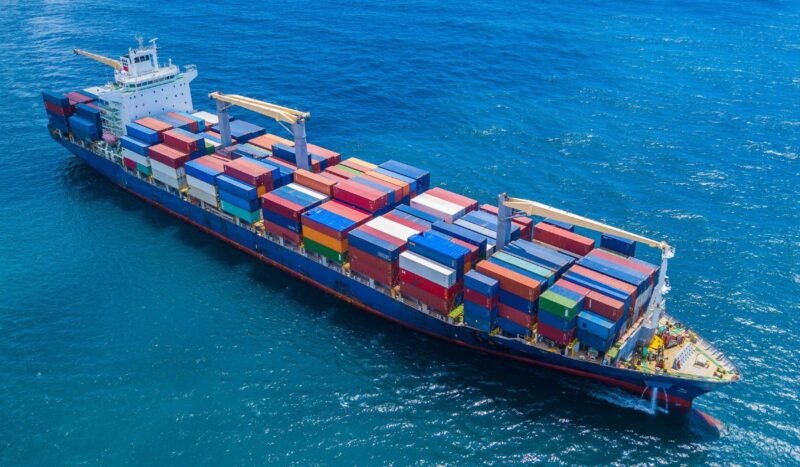
Commodities such as oil, metals, and agricultural products sit at the foundation of the global economy. When trade wars emerge, these markets are often the first to react, long before stock indices or consumer prices fully adjust.
This article examines verified economic indicators, historical trade-war data, and current market behavior to explain why commodities are under pressure, which sectors are most exposed, and what investors and consumers should realistically expect next.
🌍 Why Trade Wars Affect Commodity Markets First
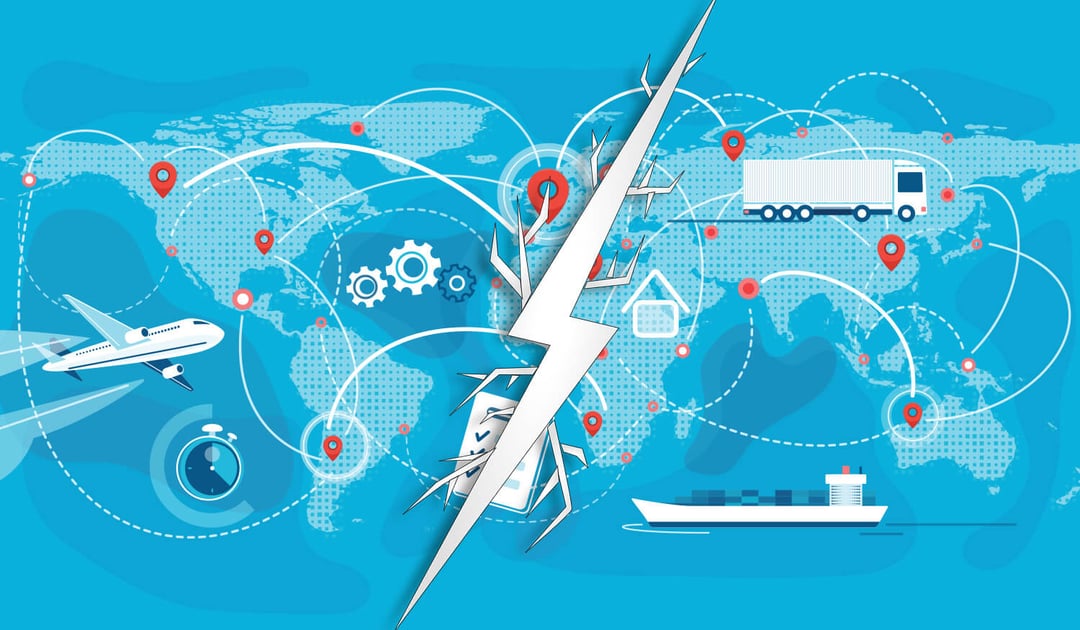
Trade wars tend to hit commodity markets earlier and harder than equities or services.
Key Mechanisms at Work
- Higher tariffs reduce global demand
When tariffs increase, trade volumes decline. Less trade means less need for raw materials. - Supply chains become inefficient
Commodities depend on predictable logistics. Trade barriers raise costs and slow movement. - Currency volatility increases
Trade disputes often weaken currencies, distorting commodity pricing and contracts. - Industrial production slows
Manufacturing hesitation quickly feeds into lower demand for energy and metals.
Because commodities are upstream in the economic chain, they act as early indicators of stress.
🛢️ Energy Markets: Oil & Gas Facing Demand Uncertainty
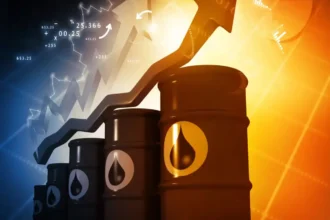
Energy markets are particularly sensitive to trade tensions because oil and gas demand is closely tied to industrial output and transportation activity.
What Current Data Shows in 2026
- Oil prices reacting sharply to trade-related policy announcements
- Forward demand projections being revised downward
- Increased price volatility, not sustained rallies
During previous trade disputes—most notably 2018–2019—global oil prices dropped by over 30% within months. Importantly, this decline was driven less by oversupply and more by falling demand expectations.
👉 In 2026, similar demand-side concerns are emerging again, especially from manufacturing-heavy economies in Europe and Asia.
🏗️ Industrial Metals: Steel, Copper & Aluminum Under Pressure
Industrial metals are often described as economic thermometers because their prices closely track global growth.
Current Indicators Raising Concern
- Slowing manufacturing orders in Europe
- Trade restrictions raising input costs
- Lower construction and infrastructure demand forecasts
Among these metals, copper is watched especially closely. Historically, copper prices tend to decline before broader economic slowdowns, earning it the nickname “Dr. Copper.”
In past trade-war environments, copper prices weakened months before official recession indicators appeared—making current trends difficult for analysts to ignore.
🌾 Agriculture & Food Commodities: Tariffs Hit Farmers First
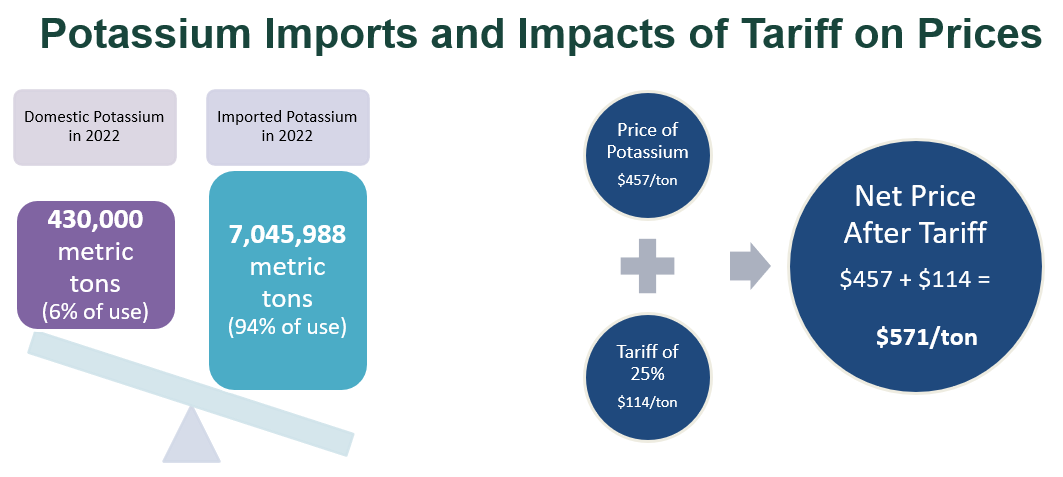
Agricultural markets are often the fastest to react to trade conflicts.
Why Agriculture Is So Sensitive
- Food exports depend on predictable trade routes
- Tariffs quickly redirect supply flows
- Farmers face immediate income uncertainty
During earlier trade disputes:
- Soybean and grain prices dropped sharply
- Exporting countries accumulated surplus stock
- Governments were forced to intervene with subsidies
In 2026, trade bodies are again discussing support mechanisms, reflecting growing concern about farmer exposure to prolonged trade tension.
📊 Are We Heading Toward a Commodity Market Crash?
❌ Short Answer: No Confirmed Crash
✅ More Accurate Answer: Elevated Downside Risk
A true commodity market crash typically requires:
- Sudden and severe demand collapse
- Financial system stress
- Liquidity breakdown across markets
As of now, none of these conditions have fully materialized.
What the Data Actually Shows
- Rising volatility indexes
- Weak forward demand projections
- Defensive positioning by institutional investors
This suggests pressure and caution, not systemic collapse.
🧠 What Makes 2026 Different From Past Trade Wars?
While current conditions echo earlier trade disputes, several structural differences matter.
Key Differences in 2026
- Central banks are more cautious
Policymakers are more sensitive to financial stress than in previous cycles. - Energy transition policies affect demand
Long-term oil demand expectations are capped by renewables and electrification. - Supply chains are more diversified
Companies have partially adapted after earlier trade shocks.
Resulting Market Behavior
- Slower price declines rather than sudden collapses
- Sector-specific weakness instead of broad crashes
- Elevated volatility becoming the new normal
💰 What This Means for Investors
For investors, trade-driven commodity pressure creates both risk and opportunity.
Key Takeaways for Investors
- Expect price instability, not smooth trends
- Input-heavy sectors face margin pressure
- Long-term supply constraints still matter
- Risk management becomes more important than speculation
Institutional investors are increasingly favoring long-term contracts and hedging strategies over short-term price bets.
🧾 What This Means for Consumers
For everyday consumers, commodity volatility translates into uneven inflation, not uniform price increases.
Possible effects include:
- Fuel prices fluctuating rather than rising steadily
- Food prices varying by region and product
- Higher costs for manufactured goods with metal inputs
Trade wars rarely create instant price spikes—but they increase unpredictability, which affects household budgeting.
🌐 The Broader Economic Signal
Historically, commodities have served as early warning indicators for broader economic slowdowns.
They do not predict exact outcomes—but they signal stress before it becomes visible elsewhere.
According to the World Trade Organization, escalating trade disputes continue to disrupt global commodity flows and pricing.
In 2026, commodity markets are once again doing what they have always done during trade conflicts:
reacting cautiously, pricing in risk, and warning ahead of time.
🧠 Final Thoughts: Pressure, Not Panic
Trade wars do not automatically cause commodity market crashes. However, history shows they consistently increase downside risk, raise volatility, and weaken demand expectations.
In 2026, oil, metals, and agricultural commodities are responding exactly as they did in previous global trade disputes—with pressure, caution, and uneven performance, not collapse.
Understanding these signals early is far more valuable than reacting to dramatic headlines later.