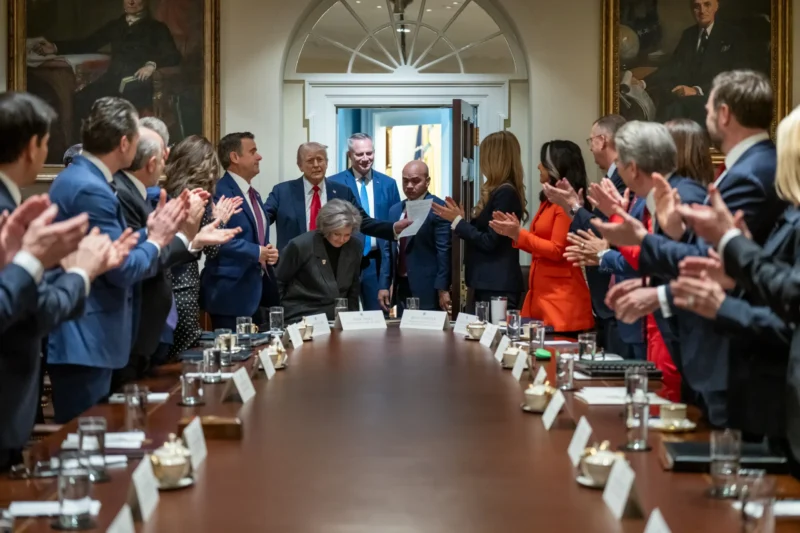
US Greenland trade tensions intensified as strategic, economic, and geopolitical interests in the Arctic region came into focus.
Key Reasons Greenland Is Important to the US
🪖 1. Arctic Military Positioning
Greenland sits between North America and Europe, making it a critical location for early warning and defense systems. The US operates Thule Space Base in northern Greenland, which plays a vital role in:
- Missile early-warning systems
- Space surveillance
- Monitoring Arctic airspace
This base has been a cornerstone of US and NATO security architecture for decades. Analysts note that Arctic policy discussions involving Greenland are increasingly shaped by broader international interests.
🧲 2. Rare Earth Minerals and Critical Resources

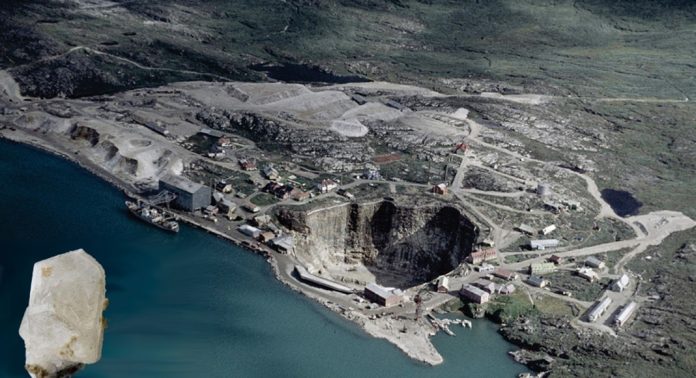
Greenland holds significant deposits of:
- Rare earth elements
- Uranium
- Critical minerals used in batteries, renewable energy, and defense technology
As the global transition toward clean energy and advanced technology accelerates, access to these resources has become a strategic priority for major powers.
🚢 3. New Arctic Shipping Routes
Melting Arctic ice is opening shorter maritime routes between Asia, Europe, and North America. These routes could reshape global trade by:
- Reducing shipping times
- Lowering transportation costs
- Shifting control over global trade corridors
Greenland’s location places it near these emerging routes, increasing its long-term economic and strategic value.
🌐 4. Countering Russian and Chinese Influence
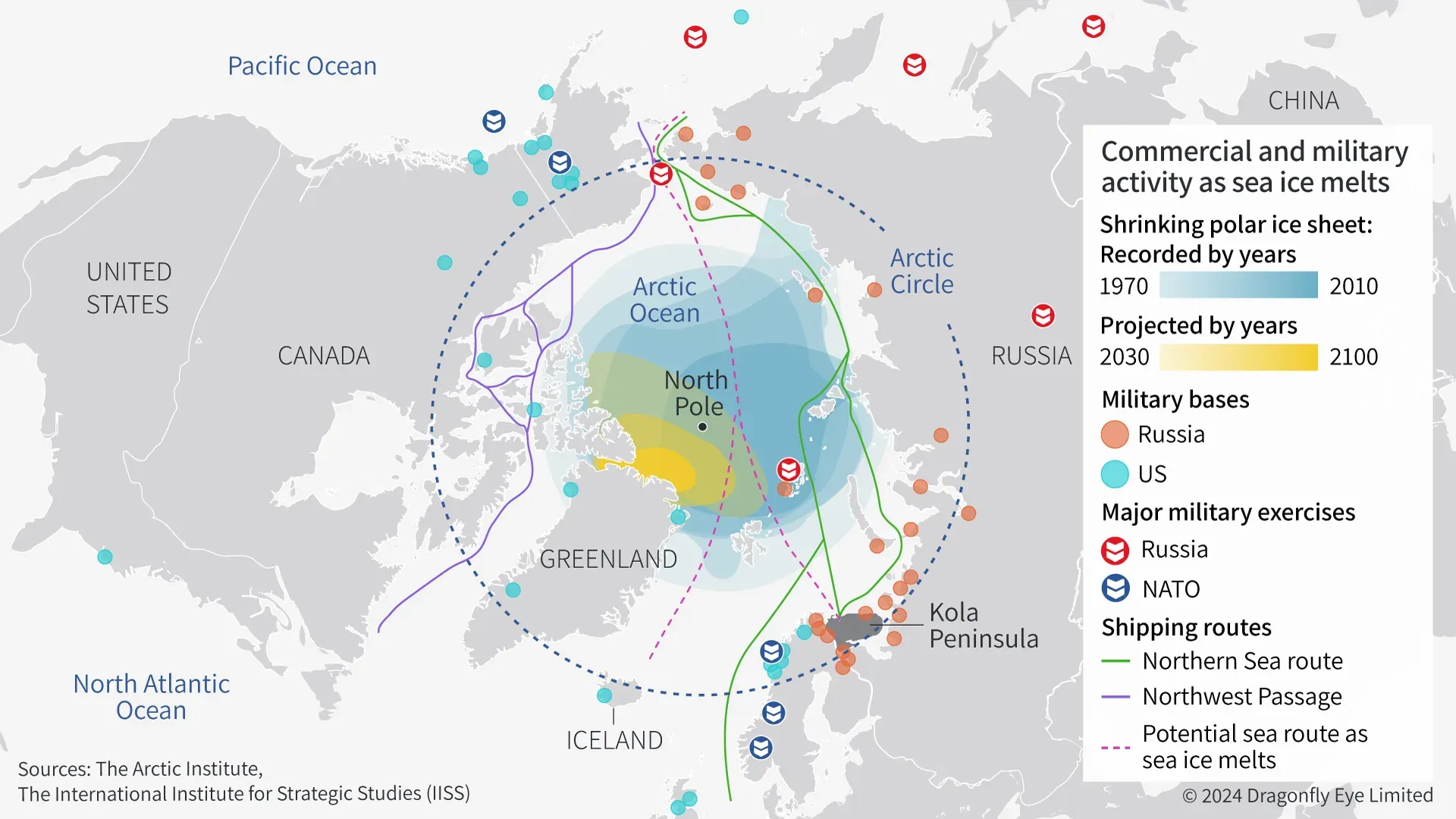
The US is also focused on preventing rival powers from gaining dominant influence in the Arctic.
- Russia has expanded military infrastructure across the Arctic
- China has declared itself a “near-Arctic state” and shown interest in Arctic investments
From Washington’s perspective, Greenland is essential to maintaining balance in this rapidly changing region.
💰 Is There a US–Greenland Tariff Conflict?
❌ Short Answer: No
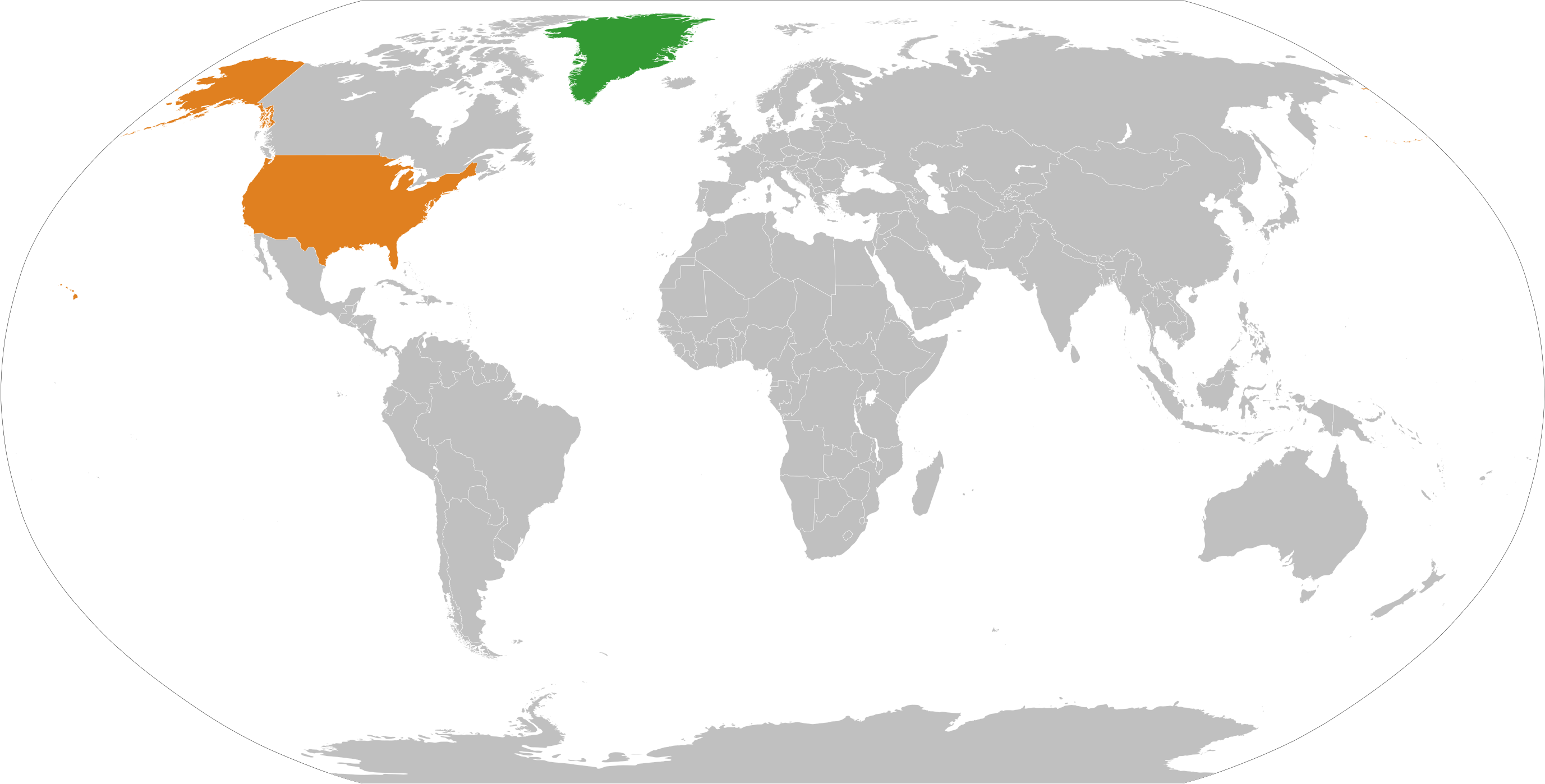
There is no direct tariff war or hostile trade conflict between the US and Greenland.
To understand why, it’s important to clarify Greenland’s political status.
- Greenland is an autonomous territory of Denmark
- Trade policy is largely governed through Danish and European frameworks
- Greenland does not face US tariffs as an adversarial measure
✅ Why US Greenland Trade Tensions Escalated

Rather than tariffs, the US has been pursuing:
- Strategic investment discussions
- Economic partnerships related to mining and infrastructure
- Diplomatic engagement through Denmark
- Long-term influence over resource development
Some media narratives confuse economic leverage and strategic competition with a trade war—but these are not the same thing.
🪖 Is the US Preparing for War in Greenland?
❌ No Military Conflict Is Planned
There is no military conflict between the US and Greenland, nor any indication of hostile intent.
However, the US is:
- Strengthening Arctic defense readiness
- Expanding surveillance and monitoring capabilities
- Conducting joint exercises with allies

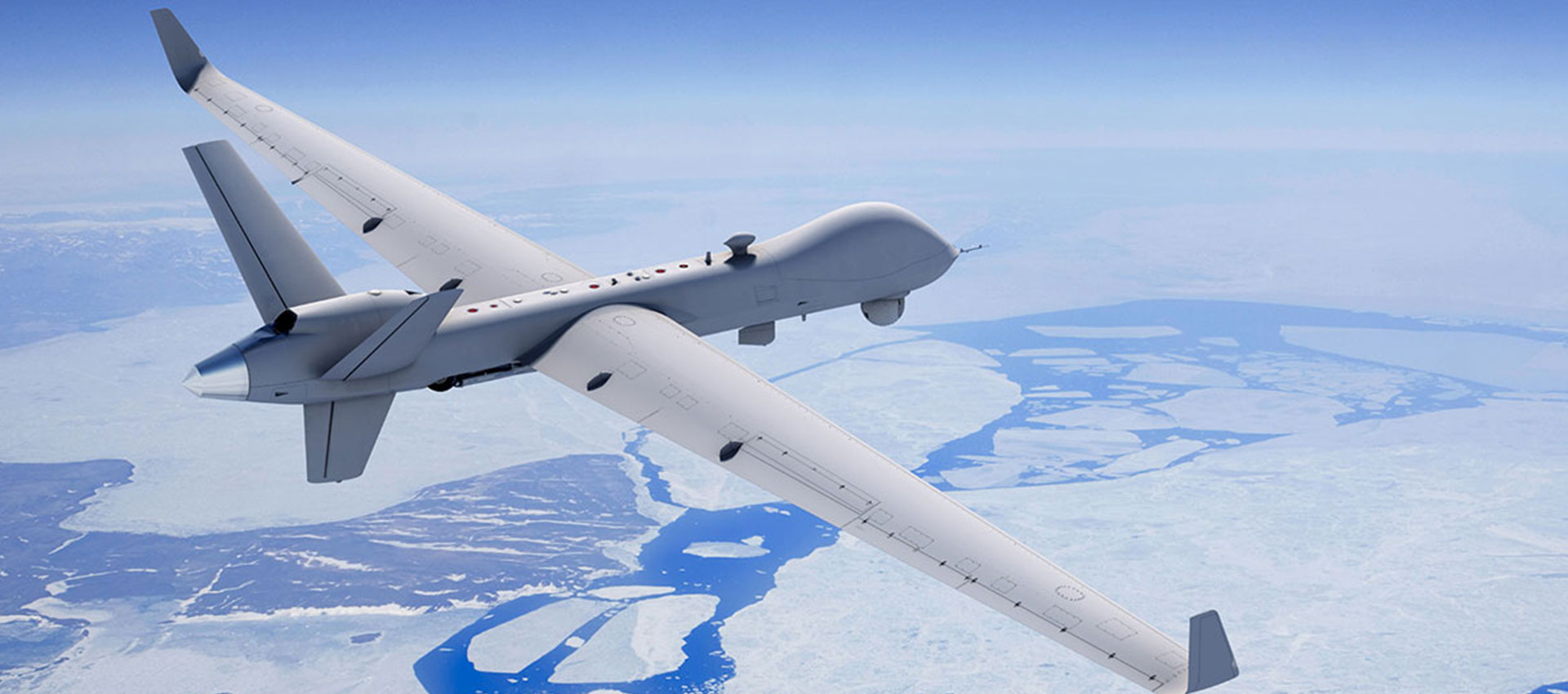
These actions are part of broader Arctic militarization, not a conflict with Greenland itself.
Greenland remains firmly aligned with Western security structures, including NATO.
🧠 Why Greenland Is Becoming a Global Flashpoint
Greenland’s rising importance sits at the intersection of three major global trends.
1️⃣ Arctic Militarization
As ice melts, the Arctic is transforming from a frozen frontier into a strategic zone.
This opens:
- New naval routes
- Expanded airspace operations
- Easier access to natural resources
Military planners increasingly view the Arctic as a potential future theater of competition.
2️⃣ Resource Competition

Greenland’s mineral wealth is attracting global attention.
These resources are essential for:
- Electric vehicles
- Renewable energy systems
- Advanced electronics
- Defense and aerospace technologies
Control over supply chains is now as important as control over territory.
3️⃣ Great Power Rivalry
The US aims to:
- Limit Chinese investment in sensitive sectors
- Counter Russia’s Arctic expansion
- Secure long-term access to strategic resources
This rivalry does not mean conflict is inevitable—but it does mean competition will intensify.
📉 How This Affects the Global Economy
While no tariffs exist today, future economic risks could include:
- Resource export restrictions
- Strategic trade controls on critical minerals
- Political pressure on Arctic supply chains
For investors and governments, Greenland is no longer just a remote island—it is a long-term geopolitical asset.
📰 Why Misinformation Is Spreading Online
Search spikes for phrases like “US vs Greenland war” are largely driven by:
- Sensational headlines
- Misinterpretation of military exercises
- Confusion between Greenland, Denmark, and NATO
- Social media exaggeration and clickbait
This makes clear, factual reporting especially valuable in today’s media environment.
🔮 What Happens Next?
Looking ahead, several developments are likely:
- Increased US investment proposals in Greenland
- Greenland pushing for greater political and economic autonomy
- Expanded Arctic cooperation through NATO and allies
- Diplomatic balancing by Denmark between global powers
A military or tariff war remains extremely unlikely, but geopolitical competition will continue to grow.
🧾 Conclusion: Competition, Not Conflict
There is no war and no tariff conflict between the United States and Greenland.
What we are witnessing instead is a strategic contest over:
- Arctic influence
- Critical resources
- Future shipping routes
- Long-term global power balance
Understanding the difference between geopolitical competition and actual conflict is essential—especially in an era of rising global tensions and online misinformation.
Greenland’s story is not about confrontation, but about how climate change and global rivalry are reshaping the map of international power.