Introduction
Relations between the United States and Venezuela have remained tense for more than two decades. US Venezuela sanctions explained in simple terms reflect years of economic pressure, oil politics, and political power struggles. What began as political disagreement gradually escalated into one of the most complex geopolitical standoffs in the Western Hemisphere.
This is not a conventional military conflict. Instead, the US vs Venezuela confrontation is shaped by sanctions, oil economics, political legitimacy, human rights concerns, and global power competition. Understanding this rivalry requires looking beyond headlines and examining how history, resources, and international politics intersect.
This article explains why the US and Venezuela are at odds, how the conflict evolved, what role oil plays, and what the future may hold.
Historical Roots of the Conflict
For much of the 20th century, Venezuela maintained relatively stable relations with the United States. As one of the world’s largest oil producers, Venezuela was a key energy supplier to the US, and American companies had deep investments in the country.
The relationship began to change dramatically in the late 1990s with the rise of Hugo Chávez, who promoted a socialist political project that challenged US influence in Latin America. Chávez openly criticized American foreign policy, strengthened ties with US rivals, and pushed for national control over Venezuela’s oil industry.
From Washington’s perspective, Venezuela was shifting away from democratic norms. From Caracas’ perspective, the US was interfering in domestic affairs. This mutual distrust laid the foundation for long-term confrontation.
Political Crisis and Leadership Disputes
After Hugo Chávez’s death in 2013, his successor Nicolás Maduro inherited a country already facing economic difficulties. Over time, Venezuela entered a severe political crisis marked by:
- Disputed elections
- Accusations of authoritarian governance
- Collapse of public institutions
- Mass protests and crackdowns
The United States and several Western nations declared that Venezuelan elections lacked credibility and stopped recognizing Maduro as the legitimate leader. Sanctions policy and economic impacts are regularly analyzed by international financial institutions. Instead, they supported opposition figures and called for democratic reforms.
Venezuela’s government rejected these claims, arguing that US actions violated national sovereignty and were part of a broader attempt at regime change.
This dispute over legitimacy remains a core driver of US-Venezuela tensions.
Sanctions: The Central Weapon
Rather than military action, the United States relied primarily on economic sanctions as its tool of pressure.
Types of US Sanctions on Venezuela
- Financial restrictions on government officials
- Sanctions on state-owned oil company PDVSA
- Limits on access to international banking
- Travel bans and asset freezes
The goal, according to US officials, was to pressure the Venezuelan government into political reforms while avoiding direct conflict.
However, sanctions also had far-reaching consequences for Venezuela’s economy, particularly its oil sector, which provides the majority of state revenue.
The Role of Oil in the Conflict
Venezuela holds some of the largest proven oil reserves in the world. Oil is not just an economic asset—it is the backbone of the Venezuelan state.
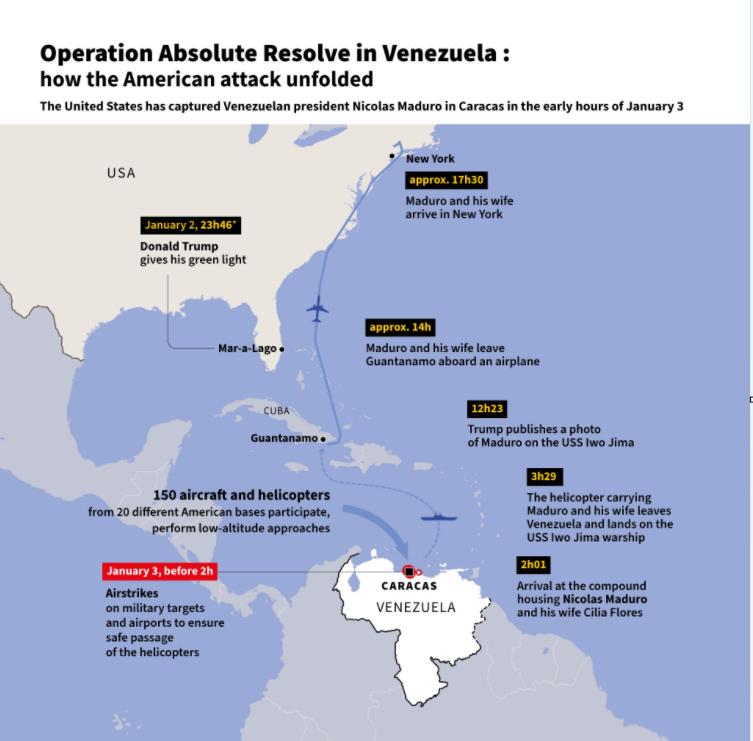
Sanctions on PDVSA severely reduced oil exports, limiting the government’s ability to earn foreign currency. This contributed to:
- Hyperinflation
- Shortages of basic goods
- Infrastructure decay
- Mass migration
At the same time, global energy markets made the situation more complicated. When oil prices rose or global supply tightened, pressure grew to reconsider sanctions to stabilize markets.
This created a paradox: Venezuela is energy-rich but economically fragile, while the US must balance geopolitical pressure with global energy stability. Oil politics explained in How Global Conflicts Affect Oil Prices
Humanitarian Impact and Migration
One of the most visible consequences of the crisis has been mass migration. Millions of Venezuelans left the country, seeking stability in neighboring Latin American nations and beyond.
The United States has repeatedly expressed concern about:
- Food insecurity
- Healthcare system collapse
- Declining living standards
Venezuela’s government, however, argues that sanctions significantly worsened humanitarian conditions and accuses the US of using human rights concerns selectively.
This humanitarian dimension has made the conflict not just a political issue, but a regional challenge.
Venezuela’s International Alliances
Isolated from Western financial systems, Venezuela strengthened relationships with countries outside the US-led sphere.
These partnerships helped Venezuela bypass some sanctions and maintain limited economic activity, but they also deepened geopolitical divisions.
From Washington’s perspective, Venezuela became part of a broader contest between competing global systems. From Caracas’ perspective, these alliances were necessary for survival.
Military Dimensions: More Symbolic Than Active
Despite intense rhetoric, the US vs Venezuela conflict has not escalated into direct military confrontation.
Both sides have engaged in:
- Military exercises
- Strategic messaging
- Defense modernization
However, analysts generally agree that direct war is unlikely, as the costs would outweigh strategic benefits.
The confrontation remains primarily economic and diplomatic rather than kinetic.
Why the Conflict Persists
Several factors keep US-Venezuela relations locked in stalemate:
- Mutual distrust built over decades
- Political legitimacy disputes
- Sanctions entrenchment
- Energy market complications
- Domestic politics in both countries
Any shift requires compromises that are politically difficult on both sides.
Recent Diplomatic Signals and Negotiations
In recent years, limited dialogue has emerged around:
- Humanitarian aid
- Electoral conditions
- Sanctions adjustments tied to reforms
While progress has been slow, these talks suggest that neither side benefits from permanent isolation.
However, negotiations remain fragile and subject to global events, energy prices, and internal political pressures.
What the Conflict Means for Latin America
The US-Venezuela standoff affects the entire region:
- Migration pressures on neighboring countries
- Economic instability
- Political polarization
- Energy supply disruptions
Latin American governments often find themselves balancing relations with both Washington and Caracas, trying to avoid becoming collateral players in a larger power struggle.
Global Implications
Beyond the region, the conflict highlights broader global trends:
- Sanctions as a primary foreign-policy tool
- Energy as geopolitical leverage
- Competing political systems
- Limits of economic pressure
Venezuela has become a case study in how modern conflicts are fought without traditional warfare.
What Comes Next?
Looking ahead, several scenarios are possible:
Scenario 1: Gradual Engagement
Incremental easing of sanctions tied to political reforms and elections.
Scenario 2: Continued Stalemate
Sanctions remain, economy struggles, and migration continues.
Scenario 3: External Shock
Global energy or political crises force rapid policy changes.
None of these outcomes is guaranteed, and all depend on choices made by both governments and the international community.
Final Thoughts
The US vs Venezuela conflict is not about a single issue. It is about power, resources, governance, and competing visions of sovereignty.
Understanding this rivalry requires moving past simple narratives of good versus bad and recognizing the complex forces at play. As long as oil remains strategic, sanctions remain central, and political compromise remains elusive, tensions will likely persist.
What happens next will shape not only Venezuela’s future, but also how global powers manage confrontation in an increasingly interconnected world.

Mohit Tejwani is a geopolitics writer and researcher focused on global conflicts, international relations, and military strategy. He analyzes ongoing global tensions and provides simplified insights into complex world events.