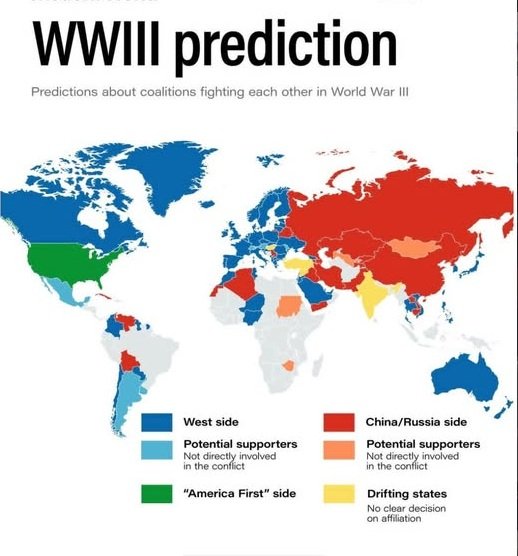
The idea of World War 3 frequently appears in news headlines, social media discussions, and political debates. World War 3 possibility is increasingly discussed as global conflicts, military alliances, and geopolitical rivalries continue to evolve. Rising geopolitical tensions, regional conflicts, and competition between major powers have led many people to ask a serious and understandable question:
Is World War 3 really possible—or is it largely driven by fear and speculation?
To answer this responsibly, we must move beyond dramatic headlines and examine history, modern global dynamics, and how warfare has fundamentally changed in the 21st century.
This article explores what a world war actually means, why concerns exist today, and why—despite ongoing conflicts—a full-scale global war remains unlikely.
🧠 Understanding What “World War” Really Means
A world war is not simply a large conflict. It has specific characteristics that distinguish it from regional or proxy wars.
A true world war involves:
- Multiple major global powers
- Fighting across multiple continents
- Large-scale military mobilization
- Severe economic, political, and humanitarian consequences worldwide
Both World War I and World War II began as regional conflicts that expanded due to alliances, military escalation, miscalculations, and diplomatic failure.
Understanding this distinction is essential before labeling modern conflicts as precursors to a world war.
🌐 Current Global Tensions That Raise Concerns
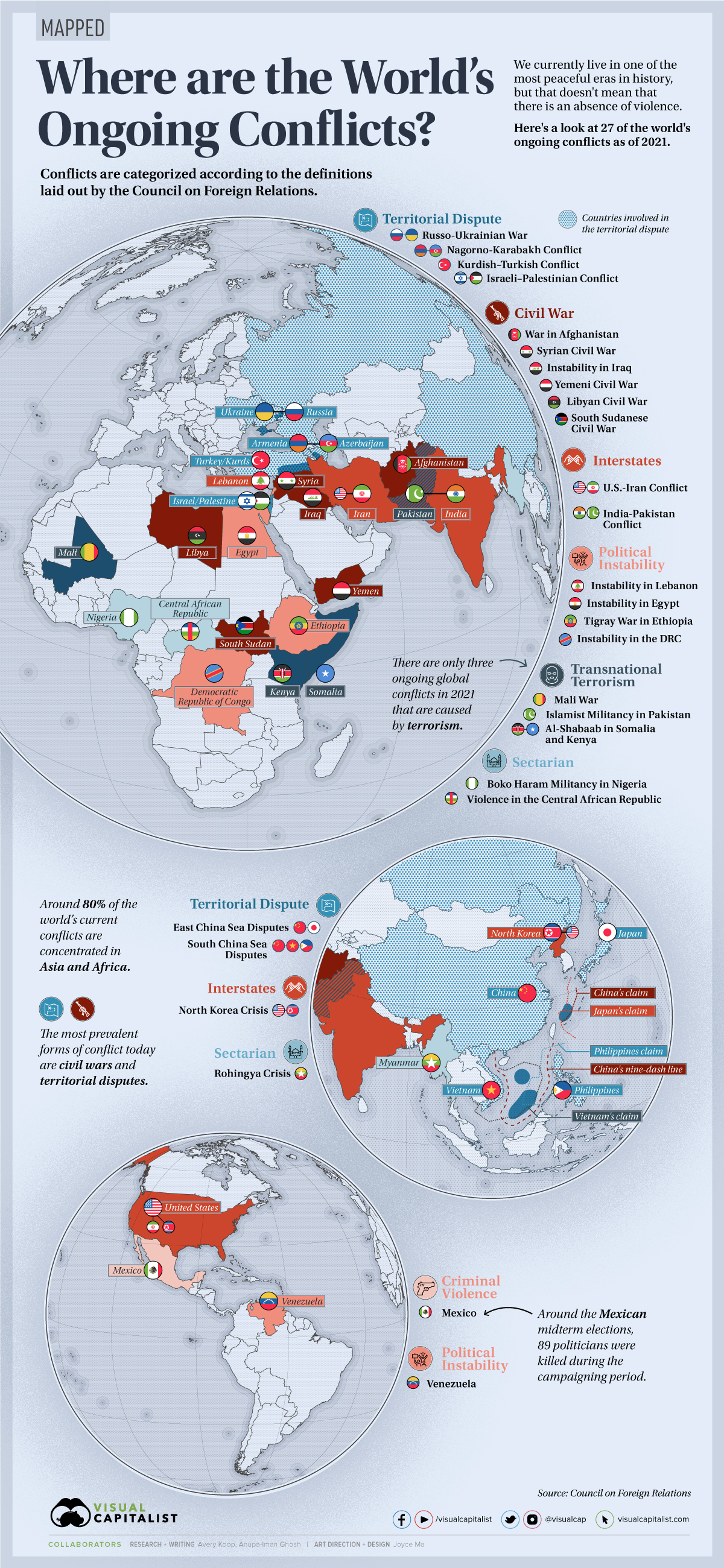
Several developments today are often cited as reasons people fear another global war. These concerns are not baseless—but they require context.
1️⃣ Rising Geopolitical Rivalries
Major powers such as United States, China, and Russia are competing for influence across regions including:
- Eastern Europe
- The Middle East
- The Indo-Pacific
- Parts of Africa
These rivalries increase tension, but competition does not automatically mean war. In many cases, it is managed through diplomacy, economic pressure, and strategic signaling.
2️⃣ Ongoing Regional Conflicts
Conflicts in various parts of the world are intense and tragic, but most remain localized.
While global powers may support different sides politically, economically, or militarily, they often avoid direct confrontation with each other. This controlled involvement significantly reduces the risk of escalation into a world war.
3️⃣ Military Alliances and Defense Pacts

Alliances such as NATO play a dual role:
- They deter aggression by raising the cost of attack
- They also raise concerns about escalation if conflicts spread
However, modern alliances place strong emphasis on de-escalation, communication, and crisis management, unlike the rigid alliance systems before World War I.
🛑 Why the World War 3 Possibility Is Being Debated
Despite global tensions, several powerful factors significantly reduce the likelihood of a full-scale world war.
☢️ 1. Nuclear Deterrence

The existence of nuclear weapons has fundamentally changed warfare.
Major powers understand that a direct global war could escalate into nuclear conflict, leading to catastrophic consequences for all sides. This concept—often referred to as Mutually Assured Destruction (MAD)—acts as a powerful deterrent.
No major nation believes it can “win” a nuclear war.
💱 2. Economic Interdependence
Modern economies are deeply interconnected.
A world war would:
- Collapse global trade
- Disrupt energy and food supplies
- Crash financial markets
- Cause worldwide recession or depression
Countries such as India, Japan, and nations across Europe and Southeast Asia depend heavily on stable global commerce. The rising tensions in Asia are explained in China vs Taiwan: Is Asia the Next Global War Zone?
Even the most powerful nations would suffer enormous economic damage—making large-scale war economically irrational.
🕊️ 3. Diplomatic Institutions and Crisis Management
Unlike the early 20th century, today’s world has:
- International organizations
- Permanent diplomatic missions
- Military hotlines between rivals
- Crisis-management frameworks
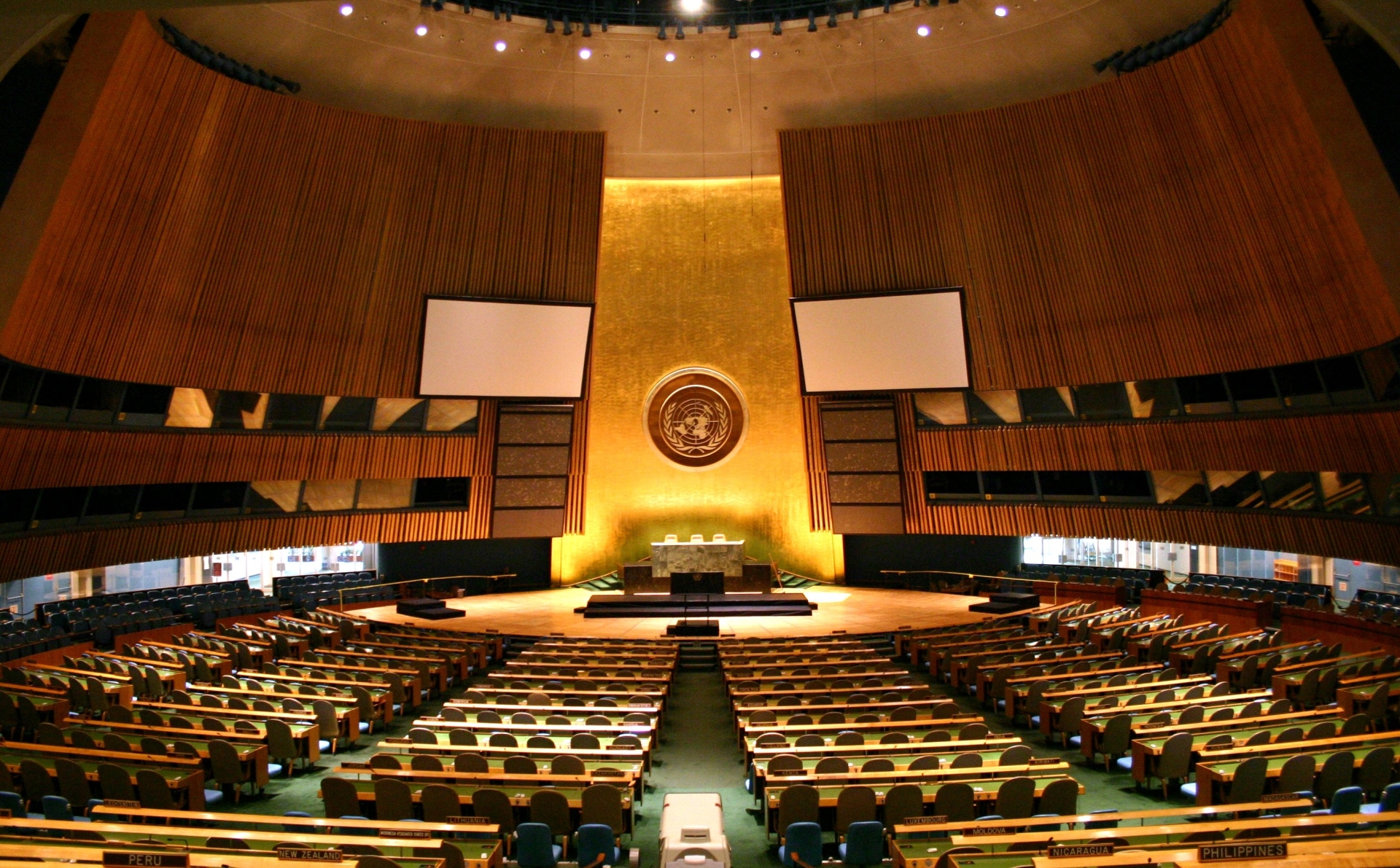
Institutions such as the United Nations exist specifically to prevent misunderstandings from spiraling into war.
While imperfect, these systems have successfully prevented escalation many times.
🛰️ How Modern Warfare Has Changed
If a major global conflict were to occur today, it would look very different from past world wars. Global security risks are regularly assessed by international organizations monitoring conflict prevention.

Modern conflict increasingly involves:
- Cyber warfare targeting infrastructure and communications
- Economic sanctions instead of mass invasions
- Information and psychological warfare
- Limited, precise military actions rather than total war
These methods allow countries to compete and apply pressure without triggering full-scale global conflict.
⚠️ Could Smaller Conflicts Still Escalate?
While a world war is unlikely, it is not impossible.
Escalation could occur if:
- Diplomatic efforts completely fail
- Multiple major powers engage directly in combat
- Miscalculations or misunderstandings spiral out of control
History shows that wars often begin not by deliberate intention, but by poor decisions during tense moments.
This is why crisis communication and restraint remain crucial.
🧠 Why This Topic Matters

Understanding the reality behind World War 3 fears is important because panic can be as dangerous as ignorance.
Fear-driven narratives can:
- Increase public anxiety
- Spread misinformation
- Pressure leaders into reckless decisions
A balanced, informed perspective helps societies remain aware without becoming alarmist.
✅ Key Takeaways
- World War 3 is possible but highly unlikely under current conditions
- Nuclear deterrence strongly discourages direct global war
- Economic interdependence makes large-scale conflict irrational
- Most modern conflicts are limited and controlled
- Diplomacy and communication play a critical preventive role
🧠 Final Thoughts
History teaches us that global peace is fragile—but it also shows that humanity has learned from past devastation.
While tensions exist and conflicts continue, global leaders today understand the cost of large-scale war better than ever before. The challenge is managing rivalry responsibly while strengthening diplomacy.
Staying informed, questioning fear-based narratives, and understanding global issues calmly is the most constructive response to an uncertain world. To understand the risks better, read our detailed analysis on Nuclear War Explained: How Likely Is It in 2026?
Mohit Tejwani is a geopolitics writer and researcher focused on global conflicts, international relations, and military strategy. He analyzes ongoing global tensions and provides simplified insights into complex world events.
3 Comments