
Why Wars, Tensions, and Geopolitics Shake Fuel Prices Worldwide
Oil is not just another commodity—it is the lifeline of the global economy. Global conflicts oil prices are closely linked as geopolitical tensions disrupt supply chains, production zones, and energy trade routes. From transportation and electricity generation to food production and manufacturing, modern life runs on energy, and oil remains at its core.
Because of this, oil prices react almost instantly to global conflicts. A military escalation, a threat to shipping routes, or even a political statement can send prices soaring within hours. Middle East conflict impact in US–Israel vs Iran War Explained
But why does this happen? And how can a war thousands of miles away impact the fuel price you pay at the petrol pump?
Let’s break it down in a clear, simple way.
🔥 Introduction: Why Oil Prices React to Wars
Oil markets operate on a delicate balance of supply, demand, and expectations. Unlike many goods, oil prices don’t just reflect what is happening today—they reflect what traders believe might happen tomorrow.
When conflicts erupt, markets fear:
- Disrupted supply
- Unsafe transportation routes
- Political interference
- Long-term instability
Even if no oil facilities are immediately damaged, the risk alone is enough to move prices sharply upward.
🌍 Key Ways Global Conflicts Impact Oil Prices
⚔️ 1. Supply Disruptions

Many of the world’s largest oil-producing regions are also among the most politically unstable. This is especially true in parts of the Middle East, Eastern Europe, and North Africa.
When conflicts or tensions arise:
- Oil fields may shut down as a safety measure
- Pipelines can be damaged or sabotaged
- Refineries may operate below capacity
- Workers may be evacuated
Even temporary shutdowns can remove millions of barrels per day from the global market.
⚠️ Fear Matters as Much as Reality
In oil markets, fear of disruption can be just as powerful as actual supply loss. Traders often raise prices in anticipation, even before real damage occurs.
🚢 2. Threats to Critical Shipping Routes
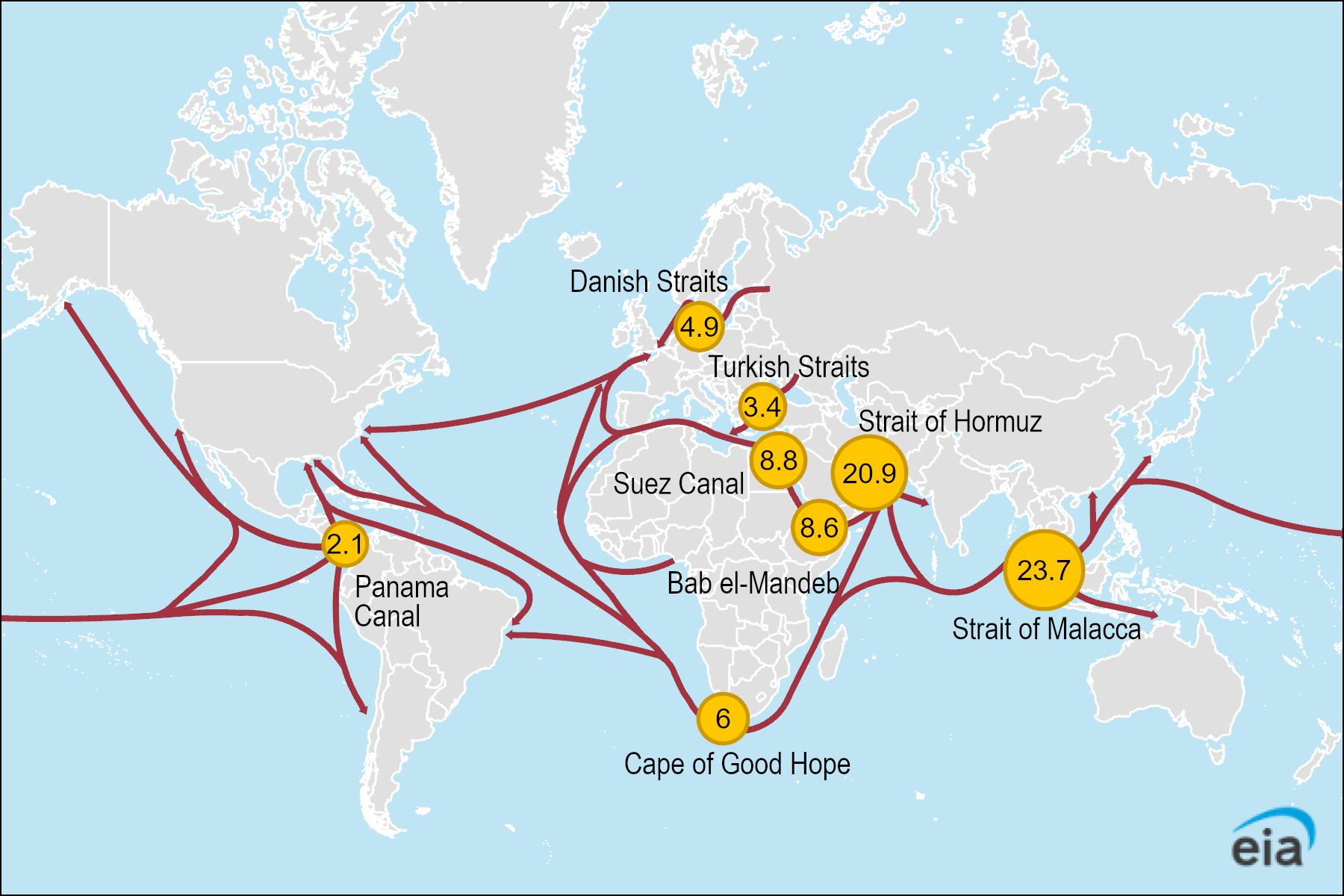
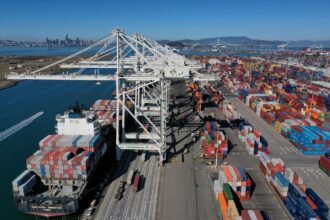
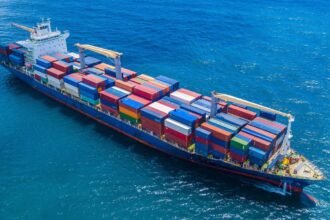
Oil does not magically appear where it’s consumed—it must be transported across oceans and narrow waterways known as chokepoints.
Some of the most critical oil routes include:
- Strait of Hormuz
- Red Sea and Suez Canal
- Black Sea routes
- Strait of Malacca
Nearly 20% of the world’s oil supply passes through the Strait of Hormuz alone.
When conflicts threaten these routes:
- Insurance premiums for tankers surge
- Shipping companies reroute vessels
- Delays and shortages increase
Even if production remains stable, transport risks push oil prices higher globally.
💸 3. Market Speculation & Panic Buying

Oil markets are among the most emotionally reactive financial markets in the world.
When conflict-related headlines appear:
- Traders rush to buy oil futures
- Prices jump due to speculation
- Volatility increases dramatically
📈 In many cases, prices rise before any actual supply shortage occurs.
This speculative behavior is driven by fear of missing out, uncertainty, and the belief that prices will climb further if the situation worsens.
🏛️ 4. Sanctions on Oil-Producing Countries

Global conflicts often trigger economic sanctions, especially when major powers are involved.
Sanctions can:
- Block oil exports from producing nations
- Reduce global supply availability
- Force buyers to seek more expensive alternatives
Countries facing sanctions are often significant oil producers, making the impact even more severe.
Example:
The Russia-Ukraine conflict (widely known as a geopolitical conflict) disrupted oil and gas exports to Europe, pushing global energy prices to multi-year highs and triggering inflation worldwide.
🤝 5. OPEC & Political Production Decisions

Organizations like OPEC play a powerful role in determining oil prices.
During times of conflict:
- Production cuts may be announced to stabilize prices
- Output may be increased or restricted strategically
- Political alliances influence energy decisions
OPEC’s choices during global tensions can either soften price shocks or intensify them, depending on the strategy adopted.
📊 Real-World Examples of Conflict-Driven Oil Price Spikes
🌍 Middle East Conflicts
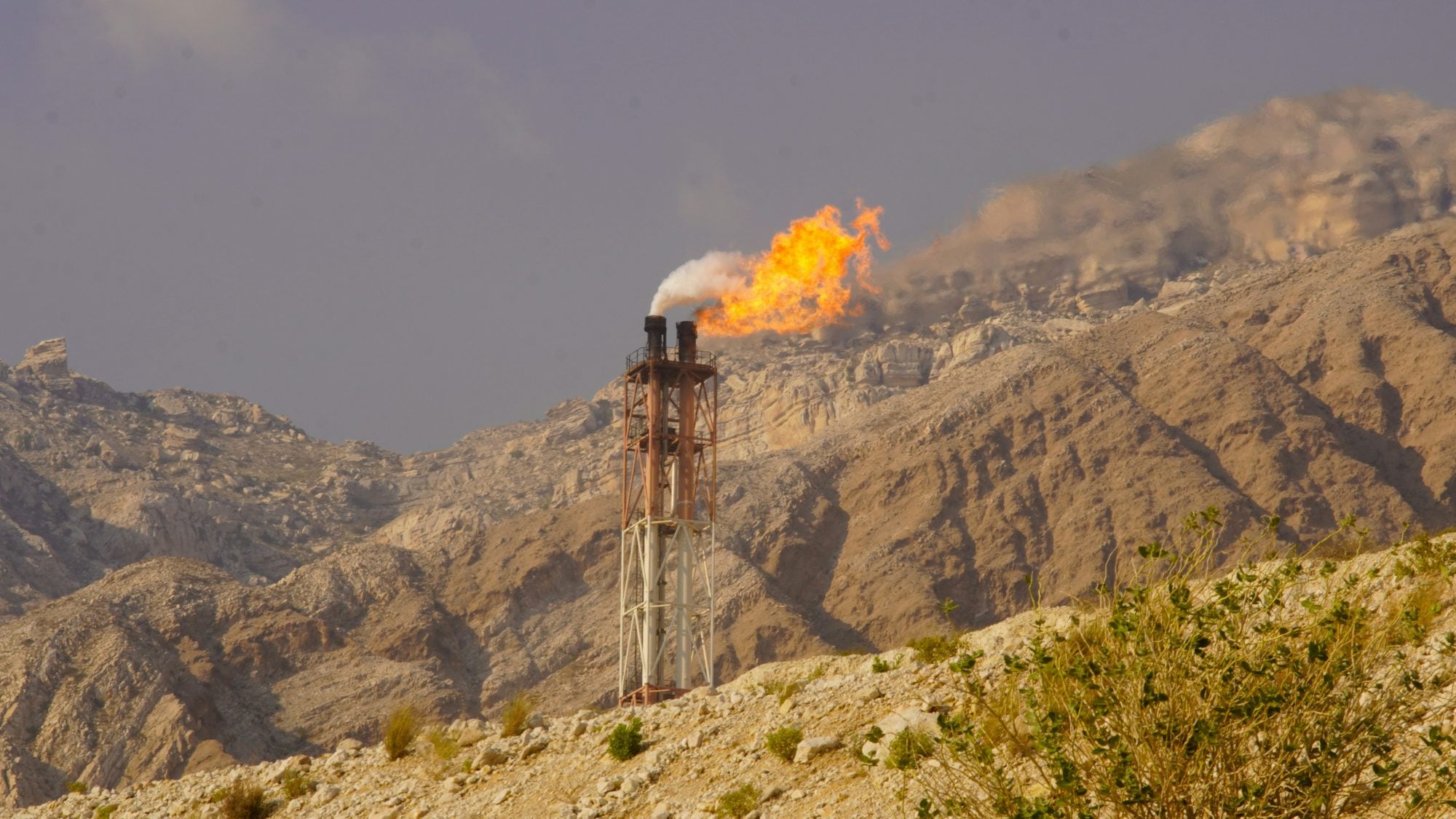
Any instability in the Middle East almost immediately affects oil prices. The region holds a significant share of the world’s proven oil reserves, making it central to global energy security.
Even minor escalations often lead to instant price jumps due to fear of broader regional conflict.
🇷🇺 Russia–Ukraine Conflict
This conflict caused:
- Reduced oil and gas supply to Europe
- Emergency energy sourcing at higher costs
- Global fuel inflation
The result was record-high petrol and diesel prices in many countries, proving how regional wars can trigger global economic pain.
🧠 How Rising Oil Prices Affect Common People
Oil price increases do not stop at fuel stations—they ripple through every layer of the economy.
For everyday people, this means:
- 🚗 Higher petrol and diesel prices
- 🍞 More expensive food due to transport costs
- ✈️ Costlier air travel and logistics
- 📉 Rising inflation and reduced purchasing power
In short, global conflicts can quietly increase your daily expenses, even if they happen far away. Energy market trends are closely monitored by international organizations tracking global supply risks.
🔮 Will Oil Prices Keep Rising Due to Future Wars?
With increasing geopolitical tensions worldwide:
- Energy security remains fragile
- Oil markets stay highly volatile
- Price spikes can happen unexpectedly
Although the world is slowly shifting toward renewable energy, oil still dominates global consumption. Until that changes significantly, wars and geopolitical tensions will continue to shake oil prices.
🧠 Final Thoughts: Why This Matters
Global conflicts may seem distant, but their impact on oil prices is immediate and personal. From inflation and food costs to transportation and economic growth, oil acts as a bridge between geopolitics and everyday life.
Understanding how wars affect energy markets helps individuals, businesses, and policymakers make better decisions in an uncertain world.
In a connected global economy, every conflict has a price—and oil is often the first place it shows.

Mohit Tejwani is a geopolitics writer and researcher focused on global conflicts, international relations, and military strategy. He analyzes ongoing global tensions and provides simplified insights into complex world events.

3 Comments