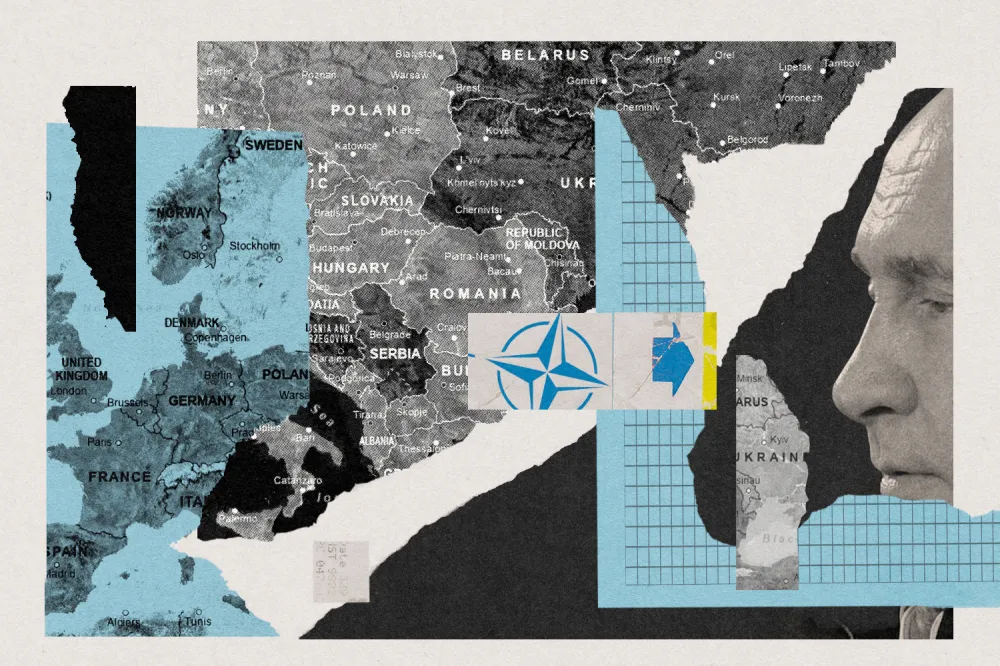
NATO Russia tensions Asia are increasingly discussed as the conflict in Europe influences security planning and alliances across the Indo-Pacific.
But in today’s deeply interconnected world, no major conflict stays regional.
Energy prices, trade routes, military alliances, financial markets, and diplomatic relationships are all globally linked. A prolonged or escalating NATO–Russia confrontation has the potential to reshape Asia’s economic stability, security environment, and geopolitical future—affecting countries such as India, China, Japan, and nations across Southeast Asia.
This article explains what the NATO–Russia conflict is really about, why Asia should care, and how its ripple effects could influence the region for years to come.
⚔️ What Is the NATO–Russia Conflict About?
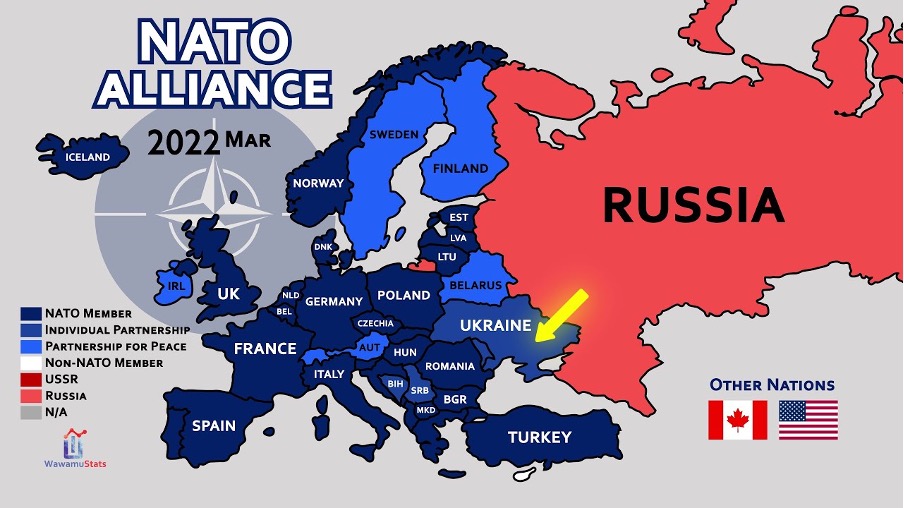
NATO is a military alliance formed in 1949 to provide collective defense among its members. The principle is simple: an attack on one NATO member is considered an attack on all.
Russia, however, views NATO’s expansion toward Eastern Europe as a direct threat to its national security. Since the end of the Cold War, NATO has added several countries that were once part of the Soviet sphere of influence—something Moscow strongly opposes.
This rivalry has intensified due to:
- Military buildups and troop deployments in Eastern Europe
- Ongoing conflicts and proxy confrontations
- Economic sanctions imposed on Russia and counter-sanctions in response
- Diplomatic breakdowns and reduced trust
The result is a new era of global geopolitical tension, often compared to a modern version of the Cold War.
🌏 How NATO vs Russia Impacts Asia
Although the conflict is centered in Europe, Asia feels its effects through economics, diplomacy, energy security, and strategic calculations.
🔋 1. Energy Security & Rising Oil Prices
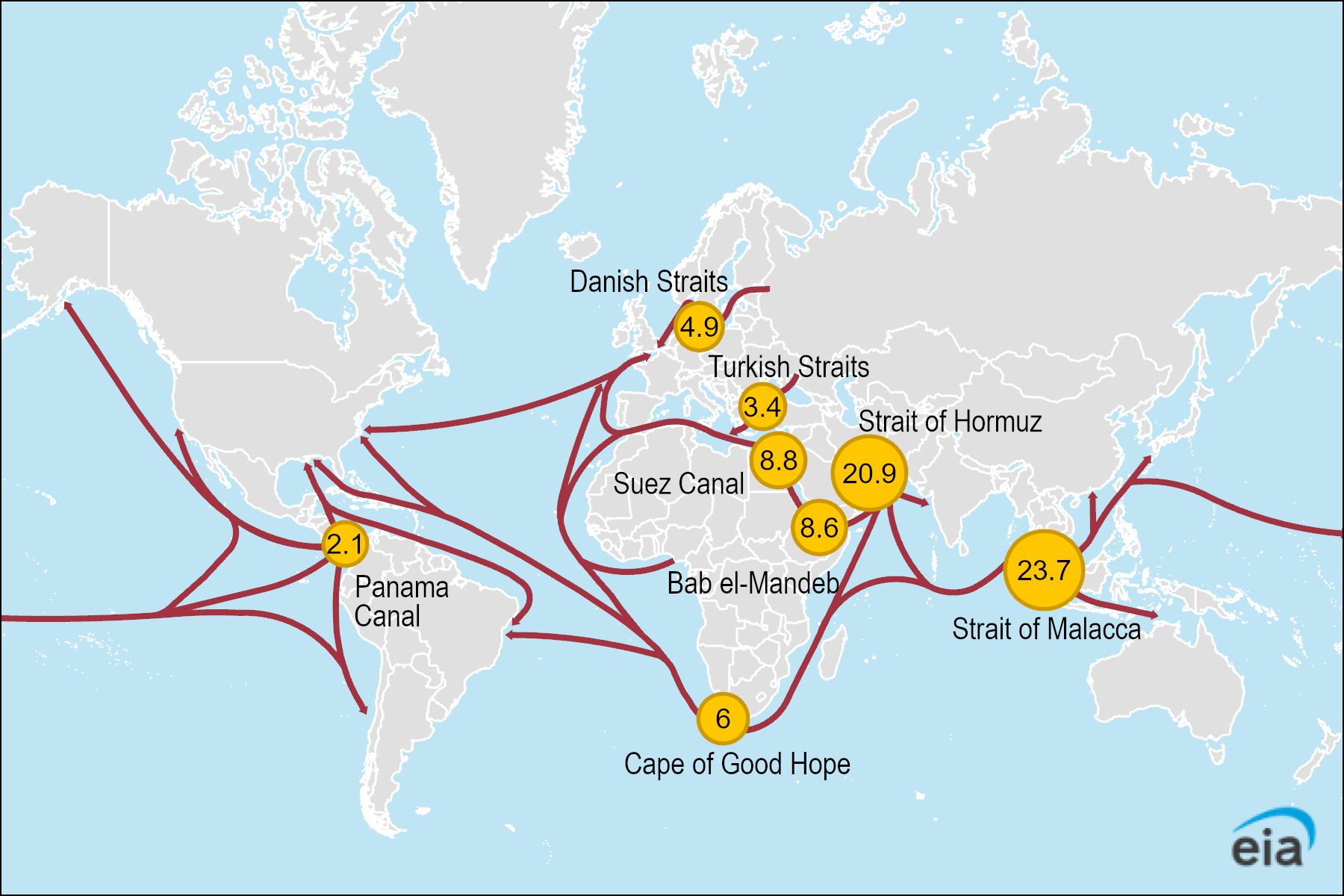
Russia is one of the world’s largest exporters of oil and natural gas. When sanctions, disruptions, or geopolitical uncertainty affect Russian energy exports, the impact is global.
For Asia, this means:
- Rising global oil and gas prices
- Higher fuel and transportation costs
- Increased inflation across economies
Countries such as India, China, Japan, and South Korea feel these effects almost immediately. Energy-intensive industries and everyday consumers both bear the cost, slowing economic growth.
🛢️ 2. Trade & Supply Chain Disruptions

Asia’s economic success depends heavily on stable global trade routes. A NATO–Russia escalation can disrupt key Eurasian corridors connecting Europe and Asia. Security analysts continue to assess how global military alliances affect regional stability beyond Europe.
Potential consequences include:
- Higher shipping insurance and logistics costs
- Delays in critical imports such as energy, fertilizers, and metals
- Increased costs for manufacturing hubs across Asia
For export-driven economies, even small disruptions can create large ripple effects throughout supply chains.
🧭 3. China’s Strategic Position

China watches NATO–Russia tensions very closely.
Why?
- Russia is a key strategic and energy partner for China
- NATO pressure on Russia indirectly affects China’s geopolitical environment
- The conflict influences strategies related to Taiwan, the South China Sea, and the Indo-Pacific
As global power blocs solidify, Asia risks becoming more polarized. A prolonged NATO–Russia standoff could accelerate the formation of competing alliances, forcing countries to make difficult strategic choices.
4. India’s Diplomatic Balancing Act
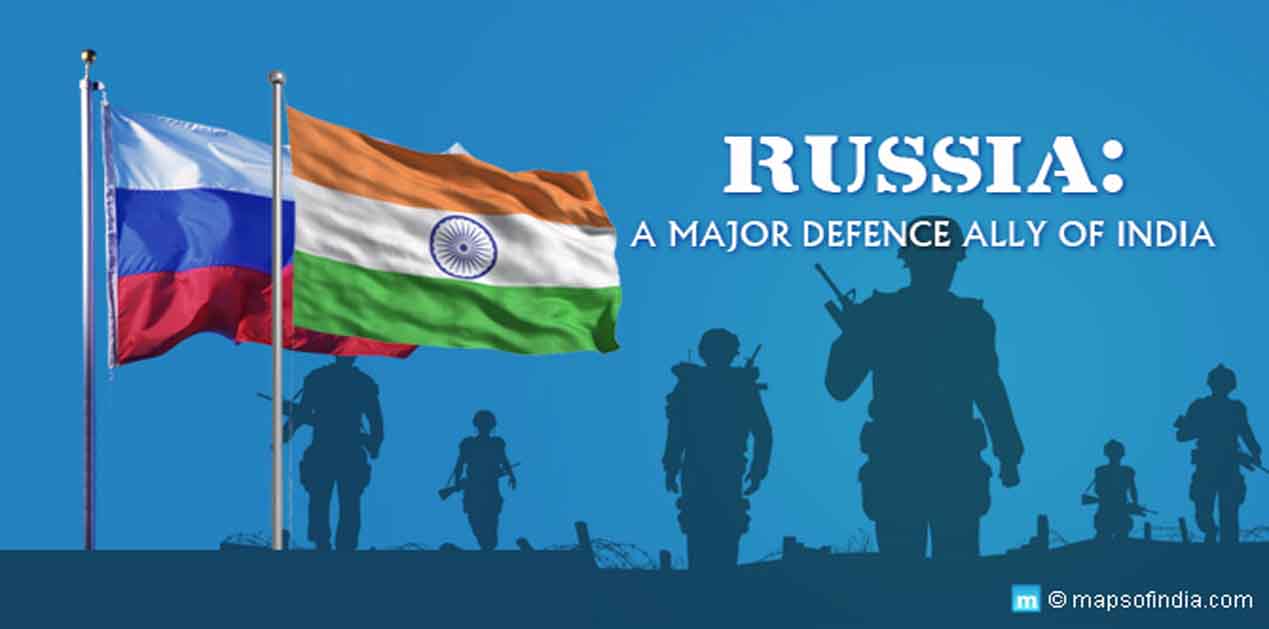
India finds itself in a particularly delicate position.
It maintains strong relationships with:
- Western countries for trade and technology
- Russia for defense equipment and energy supplies
A deeper NATO–Russia conflict forces India to:
- Balance diplomacy without alienating either side
- Secure affordable energy for its growing population
- Protect its long-standing policy of strategic autonomy
This balancing act shows how European conflicts can directly shape Asian foreign policy decisions.
🛡️ 5. Military Spending & Security Concerns
As global tensions rise, Asian countries are reassessing their security needs.
Common trends include:
- Increased defense budgets
- Expansion of military alliances and partnerships
- Rising arms imports and domestic weapons production
While intended as deterrence, this environment can lead to regional arms races, increasing the risk of miscalculation and instability in the Asia-Pacific region.
📉 Why NATO Russia Tensions Asia Matter Today

The economic consequences of NATO–Russia tensions extend far beyond energy prices.
Asian economies may face:
- Higher inflation and cost of living
- Slower economic growth
- Currency volatility
- Increased uncertainty in stock and investment markets
Even countries geographically distant from Europe are affected by these global economic shockwaves. Compare alliances in NATO vs BRICS Military Power
🔮 Could Asia Become the Next Global Flashpoint?
History shows that major global conflicts often reshape power structures.
If NATO–Russia tensions persist:
- Global influence may gradually shift toward Asia
- New alliances and security frameworks could emerge
- Asia may become the center of future geopolitical competition

This does not mean war is inevitable—but it does mean Asia will play a more central role in global security debates.
🧠 Final Thoughts: Why This Matters for Asia
The NATO–Russia conflict is far more than a European standoff. It is a global geopolitical event with profound implications for Asia’s economy, security, and strategic future.
From rising energy costs and trade disruptions to shifting alliances and military planning, Asian nations cannot afford to view this conflict as someone else’s problem. Understanding global power dynamics is essential for protecting long-term stability and growth.
In a connected world, Europe’s conflicts today can shape Asia’s reality tomorrow.

Mohit Tejwani is a geopolitics writer and researcher focused on global conflicts, international relations, and military strategy. He analyzes ongoing global tensions and provides simplified insights into complex world events.


One Comment