
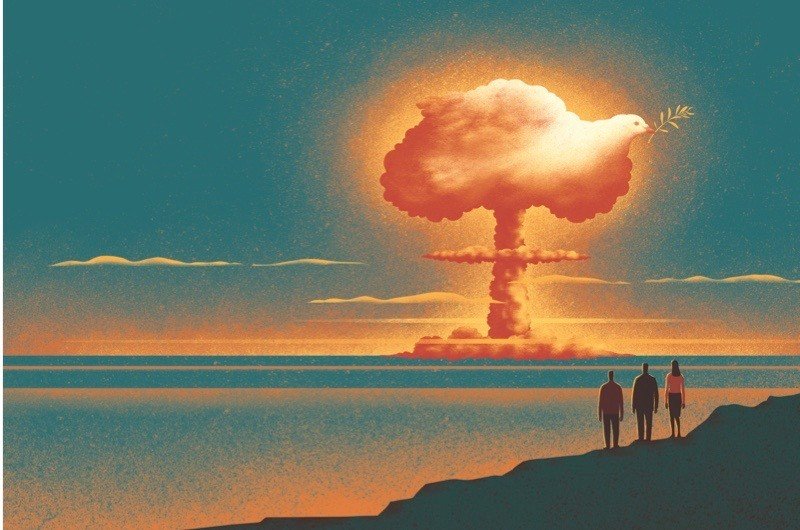
The phrase “nuclear war” once belonged mostly to Cold War history books, documentaries, and distant memories of the 20th century. For many years after the fall of the Soviet Union, it seemed like the world had moved beyond the constant fear of nuclear annihilation.
Today, however, nuclear war has returned to global headlines.
Rising geopolitical tensions, major military conflicts, aggressive rhetoric between nuclear-armed nations, and rapid technological changes have revived concerns that many believed were long buried. Nuclear war likelihood 2026 is being debated as global military tensions, regional conflicts, and strategic rivalries continue to evolve. As the world moves through 2026, governments, analysts, and ordinary citizens are asking the same unsettling question:
How likely is a nuclear war—and should the world be preparing for it?
This article explains what nuclear war really means, who holds nuclear power, why fears have resurfaced, and what experts actually believe, cutting through panic, exaggeration, and misinformation. If a global war breaks out, it could escalate as discussed in Is World War 3 Really Possible?
🧠 What Is Nuclear War (In Simple Terms)?
Nuclear war refers to the use of nuclear weapons in armed conflict. These weapons release enormous energy through nuclear reactions, producing explosions capable of destroying entire cities in seconds.
Unlike conventional warfare, nuclear conflict has several unique characteristics:
- A single weapon can kill hundreds of thousands or even millions instantly
- Escalation can happen rapidly and uncontrollably
- Long-term environmental effects, known as nuclear fallout, can last decades
- Global consequences extend far beyond the countries directly involved
Even a limited nuclear exchange would affect the entire planet through radiation, climate disruption, economic collapse, and humanitarian crises.
🌍 Which Countries Have Nuclear Weapons?
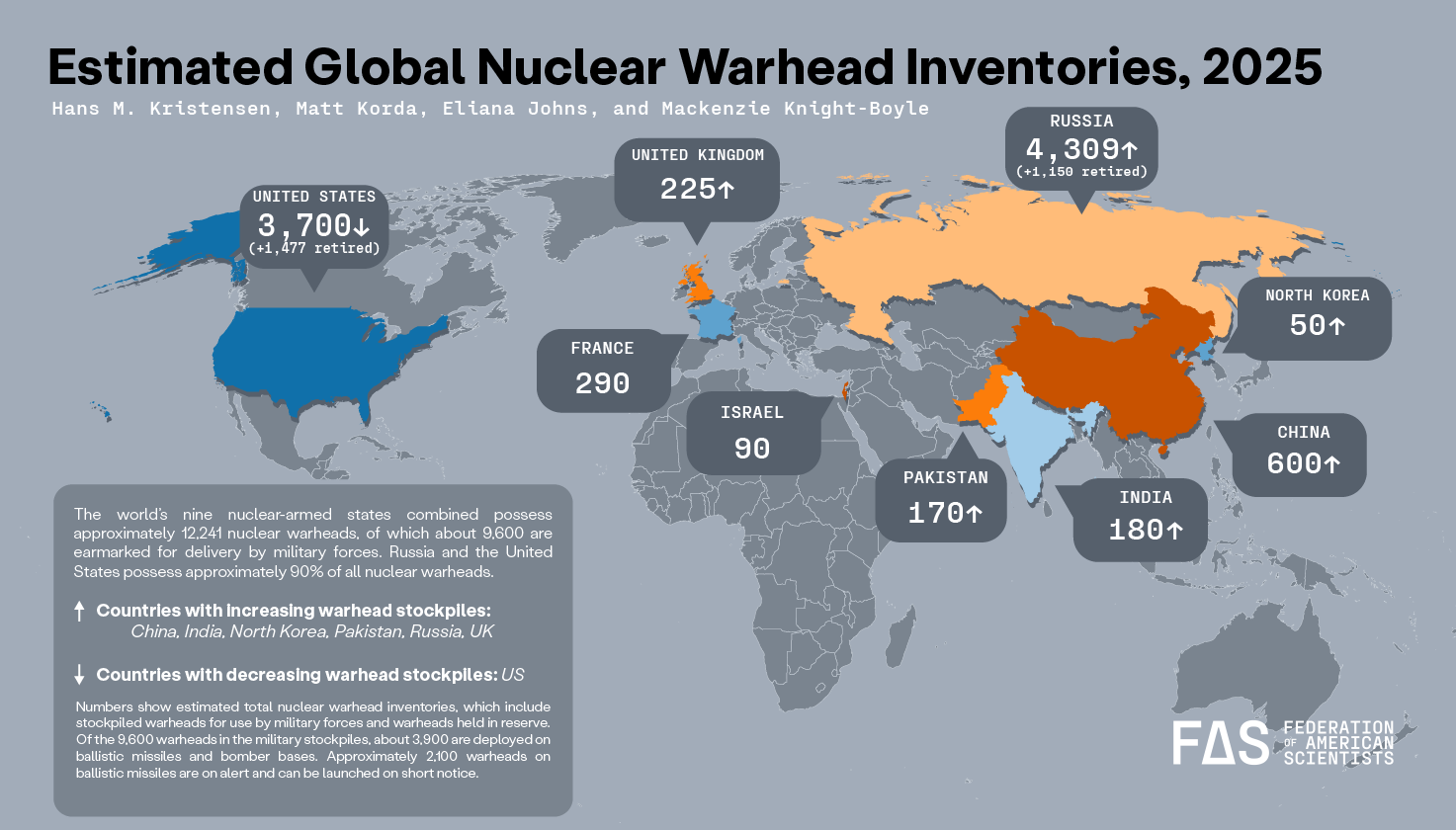

As of 2026, nine countries are widely recognized as possessing nuclear weapons:
- United States
- Russia
- China
- India
- Pakistan
- North Korea
- France
- United Kingdom
- Israel (undeclared but widely assumed)
Together, the United States and Russia control more than 85% of the world’s nuclear arsenal, a legacy of the Cold War arms race. While other nations possess far fewer weapons, even small arsenals can cause catastrophic damage.
🔥 Why Nuclear War Likelihood 2026 Is Being Discussed
The renewed fear of nuclear war is not random. It is driven by several major global flashpoints that have intensified in recent years.
🔹 Russia–NATO Tensions

Ongoing conflict and military build-ups in Eastern Europe have revived Cold War–style nuclear warnings. Statements referencing nuclear readiness, combined with large-scale military exercises, have raised alarms about escalation — even if unintended.
🔹 China–Taiwan Standoff
Tensions in the Asia-Pacific region continue to rise. Any major conflict involving Taiwan would likely draw in nuclear-armed powers and their allies, significantly increasing global risk even if nuclear weapons were never intended to be used.
🔹 North Korea’s Missile Program
North Korea’s frequent missile tests, combined with unpredictable leadership decisions, remain a persistent source of global concern. Each test raises questions about intent, capability, and potential miscalculation.
🔹 Middle East Instability

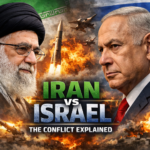
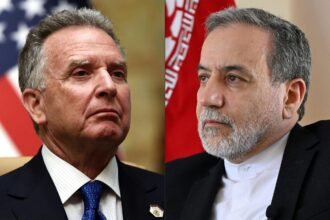
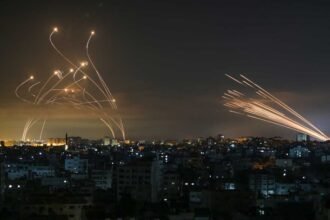
Concerns over Iran’s nuclear ambitions, combined with regional rivalries and ongoing conflicts, keep nuclear anxiety alive in the Middle East. While diplomacy continues, tensions remain unresolved. The Iran-Israel tension plays a key role — read Iran vs Israel: The Real Conflict Explained
📊 How Likely Is Nuclear War in 2026?
Expert Consensus: Low—but Not Zero
Most global security experts broadly agree on one point:
👉 A full-scale nuclear war is unlikely in 2026.
Global nuclear risk assessments are regularly monitored by international arms control organizations. However, they also emphasize that the risk is higher than it was a decade ago.
Why Full-Scale Nuclear War Is Unlikely
- Nuclear weapons function primarily as deterrents, not battlefield tools
- Leaders understand Mutually Assured Destruction (MAD) — the idea that nuclear war guarantees destruction for all sides
- Economic, political, and environmental costs would be catastrophic beyond recovery
In short, no rational government believes it can “win” a nuclear war.
⚠️ Where the Real Risks Come From
While intentional nuclear war is unlikely, experts worry more about unintended scenarios, such as:
- Miscalculation during conventional wars
- False alarms triggered by faulty sensors or data
- Cyberattacks on early-warning or command systems
- Escalation spirals, where one response triggers another
History has shown that nuclear close calls often come not from intent, but from error.
💥 What Would Happen If Nuclear War Occurred?
Even a limited nuclear exchange would have devastating consequences:
- Immediate mass casualties in targeted cities
- Collapse of global financial markets
- Severe disruption of food supply chains
- Long-term climate cooling, often called “nuclear winter”
- Massive refugee movements and humanitarian crises
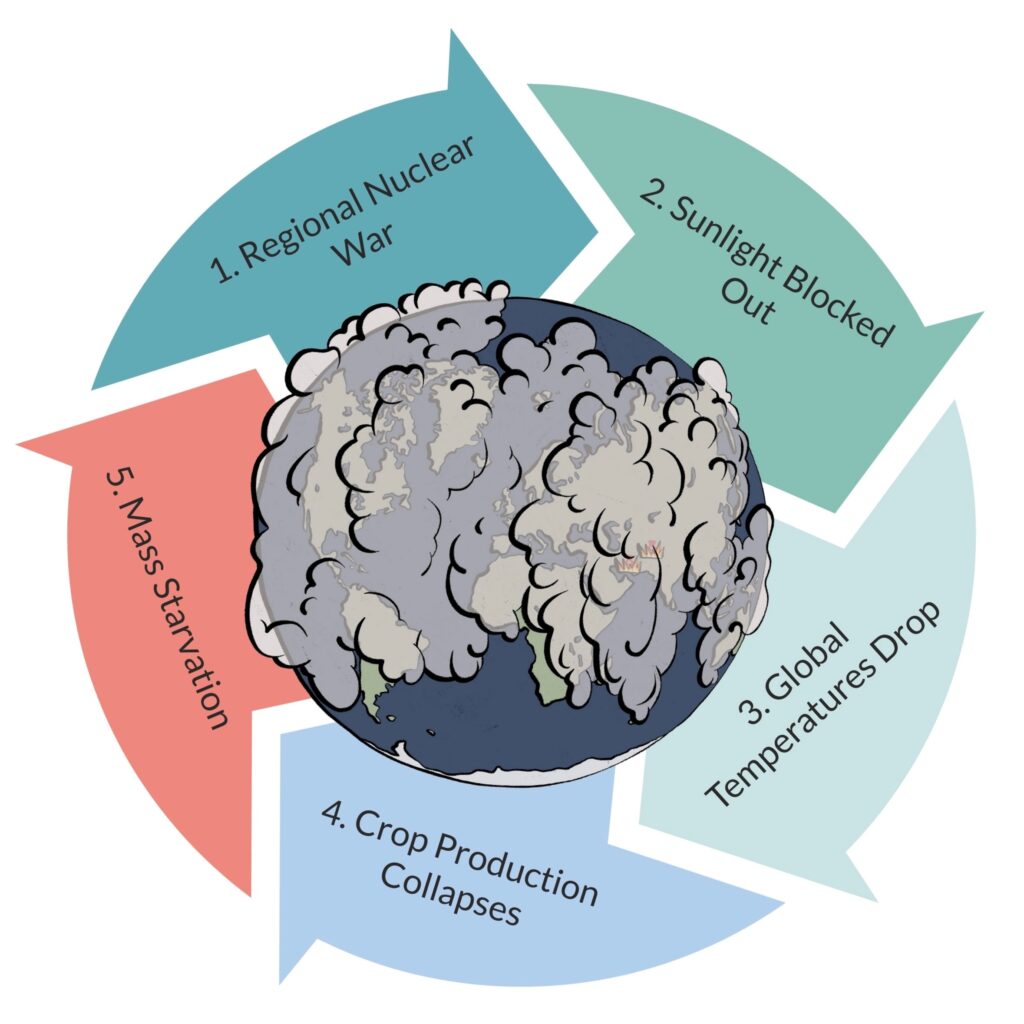
No country — neutral or involved — would escape the effects.
🕊️ Is the World Doing Anything to Prevent Nuclear War?
Yes — although progress is slow and fragile.
Efforts to reduce nuclear risk include:
- Arms control and limitation agreements
- Direct military hotlines between rival nuclear powers
- Diplomatic backchannels during crises
- United Nations disarmament and non-proliferation efforts
Even during periods of extreme tension, communication channels usually remain open, which significantly lowers the risk of catastrophic misunderstanding.
🧠 Final Reality Check
Nuclear war in 2026 is not inevitable. However, global instability, technological complexity, and rising geopolitical competition have increased risks compared to the early 2010s.
Fear-driven headlines often exaggerate certainty, while experts focus on prevention, deterrence, diplomacy, and risk reduction.
Understanding the reality — without panic — is essential. Awareness, informed discussion, and continued diplomatic engagement remain humanity’s strongest defenses against the unthinkable.

Mohit Tejwani is a geopolitics writer and researcher focused on global conflicts, international relations, and military strategy. He analyzes ongoing global tensions and provides simplified insights into complex world events.
4 Comments