
🧠 Introduction
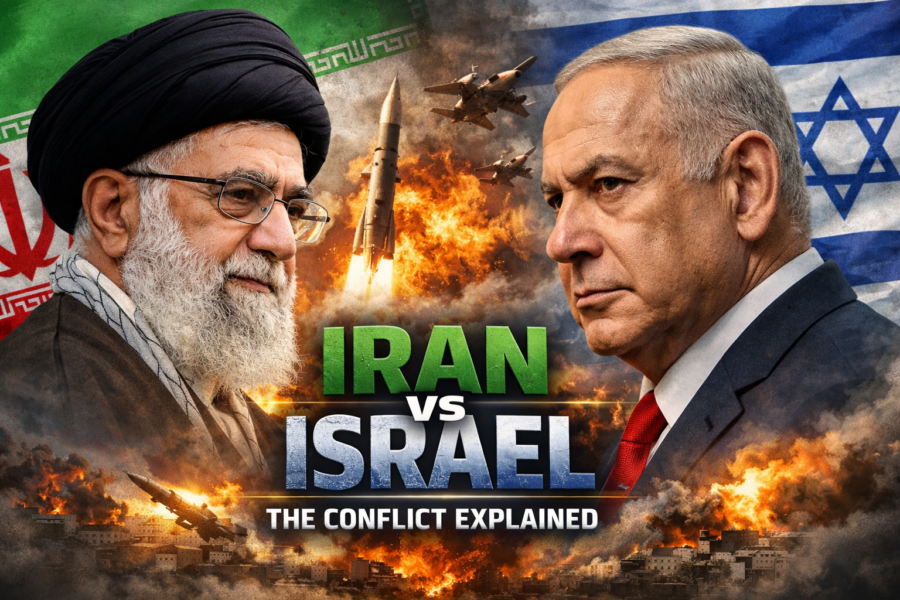
Iran Israel conflict explained in simple terms reflects decades of political, military, and strategic rivalry across the Middle East. Rooted in decades of geopolitical rivalry, ideological opposition, and deep strategic mistrust, the confrontation has evolved far beyond diplomatic hostility.
What truly marked a historic turning point was the June 2025 escalation, when direct military strikes occurred between the two nations — a scenario long feared by global security analysts. Unlike previous years, where tensions played out indirectly through proxies, cyber operations, and intelligence warfare, this confrontation crossed into open conflict.
This article breaks down why the conflict exists, what happened during the 12-day war, who the key players are, and why the ongoing tensions could have serious implications for global security in 2026 and beyond.
🧩 Why the Iran Israel Conflict Explained Continues Today
📍 1. Historical Background
Iran and Israel have been adversaries for decades, largely due to ideological, political, and strategic differences. Iran’s leadership does not recognize Israel’s legitimacy as a state, while Israel views Iran’s growing regional influence as a direct threat to its national survival.
For years, the confrontation remained largely indirect. Iran supported armed groups hostile to Israel in regions such as Lebanon, Syria, and Gaza, while Israel carried out covert operations, intelligence missions, and targeted strikes to limit Iran’s military reach. This prolonged shadow war allowed both sides to avoid full-scale confrontation — until 2025.
📍 2. Nuclear Tensions
One of the most critical drivers of the conflict is Iran’s nuclear program. Israel has consistently accused Iran of attempting to develop nuclear weapons under the cover of civilian nuclear research — allegations Iran has repeatedly denied. Regional analysts note that Middle East security dynamics continue to influence relations between Iran and Israel.
From Israel’s perspective, a nuclear-armed Iran represents an existential threat. This concern played a decisive role in Israel’s decision to launch direct military strikes in mid-2025, marking a dramatic escalation from years of covert engagement to open warfare.
📆 The June 2025 Escalation (The “12-Day War”)

In June 2025, tensions finally erupted into open conflict:
- Israel launched surprise airstrikes on Iranian military and nuclear-related facilities, aiming to disrupt missile infrastructure and delay nuclear progress.
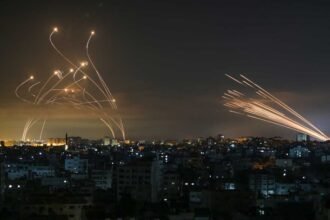
- Iran responded with hundreds of ballistic missiles and armed drones, targeting Israeli military sites and strategic locations.
- The conflict lasted approximately 12 days, making it one of the most intense direct confrontations between the two nations in modern history.
This escalation shattered long-standing assumptions that Iran and Israel would avoid direct warfare at all costs.
⚔️ Key Events in the Conflict
- Israeli Airstrikes in Iran: Precision strikes targeted missile bases, research facilities, and air-defense systems deep inside Iranian territory.
- Iranian Missile Retaliation: Over 150 ballistic missiles and more than 100 drones were launched toward Israel, testing regional air-defense systems.
- Civilian and Strategic Damage: Infrastructure damage was reported, including impacts on research centers, energy facilities, and civilian areas, leading to injuries and displacement.
- Cyber and Intelligence Warfare: Alongside physical attacks, both sides engaged in cyber operations, electronic warfare, and intelligence disruptions.
🧑✈️ Major Figures in the Conflict
🇮🇷 Iran
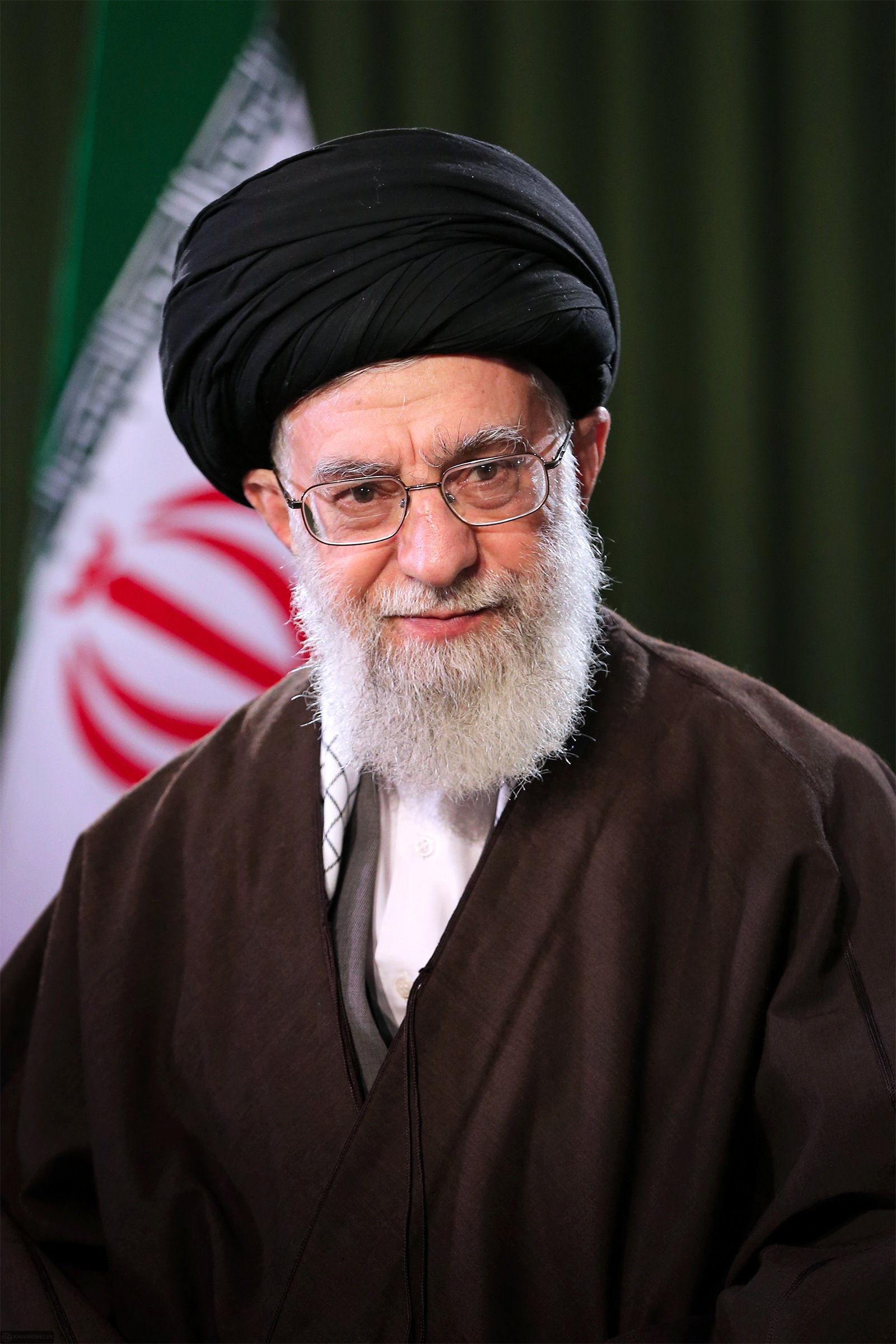
- Ayatollah Ali Khamenei — Supreme Leader of Iran
- Masoud Pezeshkian — President of Iran

🇮🇱 Israel
- Benjamin Netanyahu — Prime Minister of Israel

Decisions made by these leaders directly shape military strategy, diplomatic posture, and the risk of further escalation.
🧠 What This Means for the World in 2026
The Iran-Israel conflict has reshaped Middle Eastern geopolitics in several ways:
- 🔹 Increased risk of wider regional war involving allies and global powers
- 🔹 Heightened instability in energy markets and global trade routes
- 🔹 Ongoing military readiness on both sides, with warnings of future escalation
Even after the destructive events of 2025, tensions remain unresolved, keeping the world on edge.
🪖 Conclusion
The Iran-Israel confrontation is no longer a distant geopolitical rivalry — it is a defining global security issue. The events of 2025 demonstrated how quickly long-standing tensions can spiral into open warfare. Nuclear threat covered in Nuclear War Explained. Understanding the history, leadership, and strategic stakes behind this conflict is essential for grasping why it continues to matter in 2026 and beyond.

Mohit Tejwani is a geopolitics writer and researcher focused on global conflicts, international relations, and military strategy. He analyzes ongoing global tensions and provides simplified insights into complex world events.
2 Comments