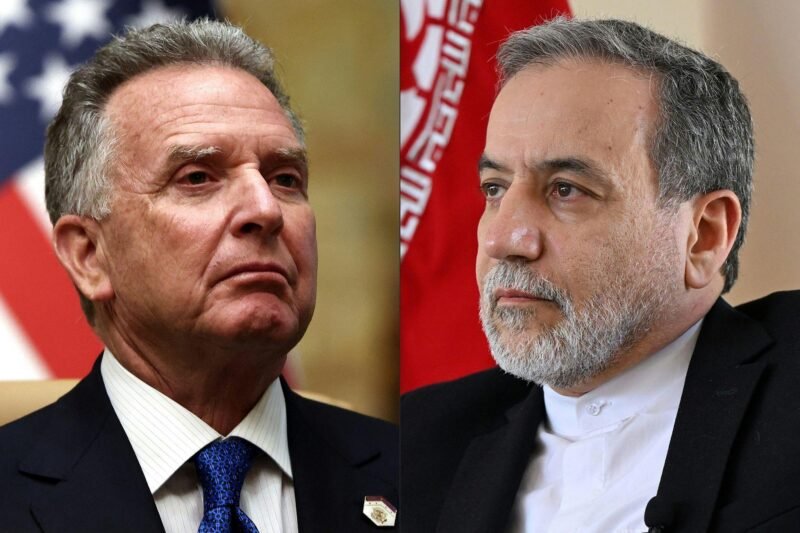
Introduction: A Defining Diplomatic Breakdown in 2026


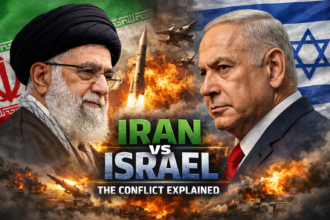
US Iran Peace Talks Failed 2026 has become one of the most significant geopolitical developments of the year, raising concerns about global stability, oil prices, and regional conflicts. The year 2026 was widely anticipated to mark a turning point in one of the most enduring geopolitical rivalries in modern history: the strained relationship between the United States and Iran. After years of hostility, sanctions, proxy conflicts, and failed agreements, both nations appeared—at least temporarily—willing to engage in meaningful dialogue.
Diplomatic channels reopened through intermediaries such as Oman and Pakistan, and multiple rounds of negotiations were held in neutral locations. Analysts speculated that a breakthrough might be possible, especially given the mounting economic pressures on Iran and the strategic interests of the United States in stabilizing the Middle East.
However, despite prolonged discussions, high-level meetings, and international mediation, the peace talks collapsed without producing any agreement. Instead of reducing tensions, the failure of these negotiations contributed to further instability in the region, increased risks of military confrontation, and significant disruptions to global trade and energy markets.
To understand why these talks failed, one must examine not just the events of 2026, but also the deeper structural issues, historical tensions, and strategic calculations that shaped the outcome. The US Iran Peace Talks Failed 2026 due to multiple geopolitical tensions and strategic disagreements between both nations.
1. The Nuclear Program Dispute: The Core of the Conflict
A Long-Standing Issue
At the center of U.S.–Iran tensions lies Iran’s nuclear program—a subject that has defined their relationship for decades.
One of the biggest reasons US Iran Peace Talks Failed 2026 was the ongoing dispute over Iran’s nuclear program. The United States has consistently maintained that Iran’s nuclear ambitions pose a serious threat to global security. Concerns have focused on the possibility that Iran could develop nuclear weapons under the guise of a civilian nuclear program.
Iran, however, has repeatedly stated that its nuclear program is intended solely for peaceful purposes, such as energy production and medical research.
What Each Side Demanded in 2026
During the 2026 negotiations:
The United States demanded:
- A complete halt to uranium enrichment beyond minimal levels
- Full access for international inspectors
- Long-term restrictions on nuclear development
- Transparency in nuclear activities
Iran insisted on:
- The right to continue uranium enrichment
- Recognition of its sovereignty
- Limits on inspections to protect national security
- Removal of sanctions before making concessions
Why Compromise Was Impossible

The disagreement over the nuclear program was not merely technical—it was deeply symbolic.
For Iran:
- The nuclear program represents technological progress and independence
For the United States:
- It represents a potential existential threat
Neither side was willing to compromise on what they considered a core national interest.
The Collapse of Trust from Previous Agreements
The memory of earlier agreements—especially the 2015 nuclear deal—played a significant role in shaping the 2026 negotiations.
Iran believed that:
- It had complied with previous agreements
- Yet still faced sanctions and economic pressure
This led to a fundamental question:
👉 Why trust a new agreement if previous ones did not hold?
2. Economic Sanctions and the “Maximum Pressure” Strategy
Sanctions as a Negotiation Tool


Experts highlight that US Iran Peace Talks Failed 2026 largely because of continued economic sanctions during negotiations. Throughout the negotiations, the United States continued to impose and enforce economic sanctions on Iran.
These sanctions targeted:
- Oil exports
- Banking systems
- International trade
The intention was to pressure Iran into making concessions.
Iran’s Perspective
From Iran’s point of view:
- Sanctions were seen as economic warfare
- Negotiations under pressure were viewed as unfair
- There was little incentive to compromise without immediate relief
Iran argued that:
- Sanctions should be lifted as a sign of goodwill
- Only then could meaningful negotiations take place
The Strategic Misalignment
This created a fundamental contradiction:
- The U.S. used pressure to gain leverage
- Iran required relief to engage sincerely
👉 This mismatch ensured that negotiations remained stalled.
3. Military Escalation During Diplomatic Efforts
Diplomacy Under Fire


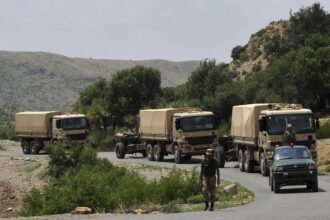
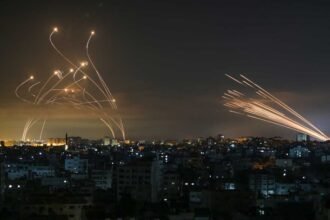
One of the most critical factors behind the failure of the talks was the continued military activity during negotiations. The escalation of conflicts further ensured that US Iran Peace Talks Failed 2026 without reaching any agreement.
While diplomats were meeting:
- Military forces were engaging in operations
- Threats were being exchanged
- Strategic positioning was intensifying
Key Escalations
Several incidents contributed to rising tensions:
- Airstrikes targeting strategic locations
- Naval confrontations in the Persian Gulf
- Seizure of vessels and cargo
These actions undermined trust and created a hostile environment for negotiations.
Why This Undermined Diplomacy
Successful negotiations require:
- Stability
- Confidence-building measures
- Reduction of hostilities
Instead, the situation in 2026 was characterized by:
- Escalation
- Suspicion
- Strategic signaling
👉 Under such conditions, meaningful dialogue becomes nearly impossible.
4. Conflicting Strategic Objectives
Diverging Goals

Another major reason for failure was the difference in long-term strategic goals.
The United States aimed to:
- Limit Iran’s regional influence
- Prevent nuclear weapon development
- Reduce support for allied groups
- Establish long-term security arrangements
Iran aimed to:
- Maintain regional influence
- Protect its sovereignty
- Achieve economic recovery
- Avoid external interference
The Problem of Scope
The U.S. pushed for a comprehensive agreement covering multiple issues.
Iran preferred a focused agreement limited to nuclear matters.
👉 This difference in scope created repeated deadlocks.
5. Deep-Rooted Historical Mistrust
A Relationship Shaped by Conflict
The mistrust between the United States and Iran is rooted in decades of conflict, including:
- Political upheavals
- Economic sanctions
- Military confrontations
- Proxy conflicts
Psychological and Political Barriers
This history has created:
- Mutual suspicion
- Defensive strategies
- Reluctance to compromise
Leaders on both sides faced domestic pressure:
- Any concession could be seen as weakness
- Public opinion influenced negotiation strategies
Why Trust Could Not Be Rebuilt in 2026
Trust requires:
- Time
- Consistency
- Positive interactions
In 2026:
- Time was limited
- Actions contradicted words
- Tensions were escalating
👉 Trust simply could not be established.
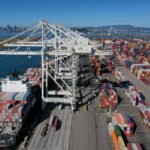
6. The Strait of Hormuz Crisis


The Strait of Hormuz, one of the world’s most critical energy chokepoints, became a central issue during the crisis. The global impact of US Iran Peace Talks Failed 2026 can be seen in rising oil prices and economic uncertainty.
Why It Matters
- A significant portion of global oil passes through it
- Any disruption affects global markets
Escalation in 2026
- Increased military presence
- Threats of closure
- Heightened risk of confrontation
Impact on Negotiations
The crisis shifted focus from diplomacy to:
- Security concerns
- Economic risks
- Strategic positioning
👉 Negotiations lost priority.
7. Global Economic and Political Consequences
Economic Impact
- Rising oil prices
- Inflation
- Supply chain disruptions
Political Impact
- Increased global polarization
- Strained alliances
- Reduced confidence in diplomacy
Security Impact
- Increased military deployments
- Risk of broader conflict
Conclusion: Why Peace Failed in 2026
US Iran Peace Talks Failed 2026 highlights the challenges of modern diplomacy. The failure of the US–Iran peace talks in 2026 was not due to a single issue, but rather a combination of interconnected factors:
- Nuclear disagreement
- Economic sanctions
- Military escalation
- Strategic differences
- Historical mistrust
Together, these created a situation where compromise was nearly impossible. Analysis by Council on Foreign Relations explains regional tensions
Final Thought
The events of 2026 highlight a critical reality of international relations:
👉 Peace is not just about negotiation—it requires alignment of interests, trust, and timing.
Until these elements come together, conflicts like this will continue to shape the global landscape. You can also read our detailed analysis of the Red Sea crisis to understand its connection with global conflicts.

Mohit Tejwani is a geopolitics writer and researcher focused on global conflicts, international relations, and military strategy. He analyzes ongoing global tensions and provides simplified insights into complex world events.